
 Daniel Scott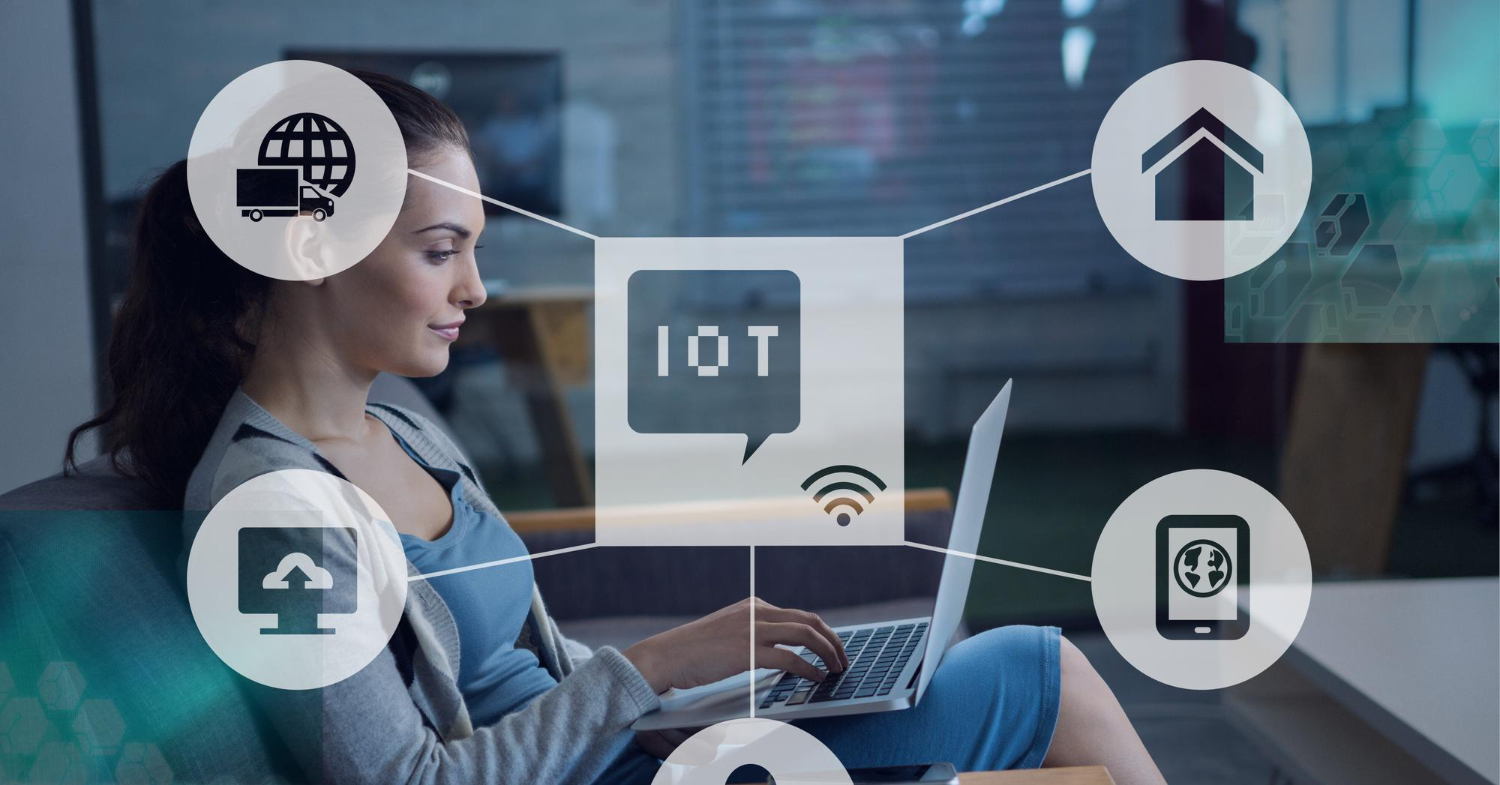
Introduction
The modern digital era has witnessed exponential growth in connected devices, smart systems, and data-driven applications. At the forefront of this transformation is the Internet of Things (IoT), which encompasses a vast network of physical devices embedded with sensors, software, and communication technologies that enable them to collect, exchange, and act upon data. From smart homes to industrial automation, IoT has permeated every facet of our lives, revolutionizing convenience, efficiency, and decision-making processes.
However, the rapid expansion of IoT ecosystems has introduced significant challenges, primarily related to security, privacy, and data integrity. Traditional centralized architectures often struggle to manage the massive influx of data generated by IoT devices, making them vulnerable to cyberattacks, data breaches, and unauthorized manipulation.
This is where blockchain technology emerges as a transformative solution. Originally conceptualized as the backbone of cryptocurrencies, blockchain offers a decentralized, immutable, and transparent framework for recording transactions and information. Its integration with IoT has the potential to enhance security, enable trustless communication, and streamline operations across diverse industries. This essay explores the convergence of IoT and blockchain technology, examining their synergistic potential, applications, challenges, and future prospects.
The Synergy Between IoT and Blockchain
The integration of blockchain with IoT is driven by the complementary strengths of both technologies. IoT devices generate vast amounts of data that need to be securely stored, verified, and shared across networks. Blockchain, with its decentralized ledger system, provides data immutability, transparency, and decentralized verification, making it an ideal solution for IoT networks.
1.1 Enhancing Security and Data Integrity
One of the most critical challenges in IoT ecosystems is security. IoT devices are often resource-constrained, lacking robust computing power for complex encryption or authentication protocols. Additionally, centralized IoT platforms create single points of failure, exposing sensitive data to attacks. Blockchain addresses these vulnerabilities by enabling distributed ledger mechanisms.
In a blockchain-integrated IoT network, each transaction or data exchange is recorded as a block, verified by multiple nodes, and linked cryptographically to previous blocks. This ensures tamper-proof records and allows for traceability of data sources. For example, in supply chain management, IoT sensors can monitor product conditions, while blockchain ensures that temperature logs, transit routes, and handling procedures remain immutable and transparent to all stakeholders.
1.2 Trustless Communication and Decentralization
Another key advantage of blockchain integration is enabling trustless communication among IoT devices. Traditionally, IoT devices depend on centralized servers or cloud platforms to authenticate devices, store data, and facilitate communication. Blockchain allows devices to interact and execute transactions autonomously through smart contracts—self-executing code stored on the blockchain.
Smart contracts can automatically enforce predefined rules without human intervention. For instance, in a smart energy grid, IoT-enabled meters can automatically trade energy credits based on supply and demand conditions recorded on a blockchain ledger, eliminating the need for intermediaries. This decentralized approach not only enhances operational efficiency but also mitigates risks associated with centralized data manipulation or failure.
1.3 Scalability and Interoperability Challenges
Despite the promising synergy, integrating IoT with blockchain introduces challenges, particularly in scalability and interoperability. IoT networks can consist of millions of devices generating high-frequency data, while blockchain networks like Bitcoin or Ethereum are limited by transaction throughput and consensus latency. Solutions such as lightweight blockchains, off-chain storage, and sharding are being explored to address these limitations.
Moreover, IoT ecosystems often involve heterogeneous devices and communication protocols, requiring blockchain platforms to support interoperable standards. Efforts such as IOTA’s Tangle architecture and Hyperledger’s modular frameworks demonstrate innovative approaches to combining blockchain with IoT for large-scale deployment.
Real-World Applications of IoT and Blockchain Integration
The convergence of IoT and blockchain extends across multiple industries, where the combination enhances efficiency, transparency, and security.
2.1 Supply Chain Management
Supply chains are inherently complex, involving multiple stakeholders, geographical locations, and stages of production and distribution. IoT sensors can monitor real-time data on shipments, temperature, humidity, and handling, while blockchain ensures immutable records and end-to-end visibility.
For example, in the pharmaceutical industry, blockchain-enabled IoT systems can track the movement of vaccines, ensuring that storage conditions remain within safe thresholds and preventing counterfeiting. Each IoT sensor reading is automatically recorded on the blockchain, providing regulators, manufacturers, and distributors with a trusted source of information.
2.2 Smart Cities and Infrastructure
Smart cities leverage IoT to optimize urban services, including traffic management, waste collection, energy distribution, and public safety. However, the massive data flow raises concerns regarding privacy, access control, and trust. Integrating blockchain enables secure, decentralized management of city infrastructure, ensuring that data from IoT devices like traffic sensors, parking meters, and energy meters are immutable and auditable.
For instance, blockchain can facilitate automated billing for energy consumption, where smart meters record usage data directly onto a distributed ledger, eliminating discrepancies and enabling peer-to-peer energy trading between households. Similarly, traffic management systems can use blockchain to securely process vehicle data for congestion prediction, accident response, and optimized routing.

2.3 Healthcare and Medical IoT Devices
In healthcare, IoT devices such as wearable monitors, implantable sensors, and telemedicine platforms generate sensitive patient data. Blockchain integration ensures that this data remains secure, tamper-proof, and accessible only to authorized parties.
Smart contracts can automate insurance claims, medication adherence tracking, and appointment scheduling while maintaining patient privacy. Moreover, decentralized data storage prevents single points of failure, ensuring that patient records remain accessible during system outages or cyberattacks. The combination of IoT and blockchain thus enhances patient care while safeguarding critical medical data.
2.4 Industrial Automation and Manufacturing
In industrial settings, IoT devices monitor machinery, production lines, and environmental conditions, generating predictive maintenance insights. By integrating blockchain, manufacturers can track production processes in real-time, ensuring compliance with quality standards and regulatory requirements.
For example, IoT sensors can detect equipment wear and trigger smart contracts to schedule maintenance, order replacement parts, or alert supervisors. Blockchain provides audit trails for machine performance, maintenance history, and operational compliance, reducing downtime, increasing productivity, and mitigating operational risks.
Challenges and Future Prospects
While IoT and blockchain integration holds immense promise, several challenges must be addressed to achieve widespread adoption.
3.1 Technical Limitations and Resource Constraints
Many IoT devices are resource-constrained, with limited processing power, memory, and battery life. Implementing blockchain protocols directly on these devices can be computationally expensive. Lightweight blockchain solutions, edge computing, and off-chain data storage are potential solutions, but technical optimization remains a major challenge for large-scale deployments.
3.2 Privacy and Regulatory Concerns
Blockchain’s immutable nature raises questions about data privacy and compliance with regulations such as GDPR. IoT data often includes personal or sensitive information, and storing it on an immutable ledger could conflict with the right to erase or modify data. Future solutions may involve hybrid blockchain architectures, zero-knowledge proofs, and encryption techniques to balance transparency with privacy.
3.3 Interoperability and Standardization
The IoT ecosystem is highly fragmented, with diverse devices, protocols, and platforms. Integrating blockchain requires standardized protocols for device communication, data formats, and consensus mechanisms. International efforts such as IEEE and Hyperledger initiatives aim to develop interoperable frameworks that facilitate seamless integration of IoT and blockchain technologies.
3.4 Future Directions and Innovations
The future of IoT and blockchain integration is poised for significant growth. Emerging trends include:
- Decentralized AI and Edge Computing: Combining IoT, blockchain, and edge AI can enable real-time autonomous decision-making without relying on centralized cloud servers.
- Tokenization of IoT Data: IoT-generated data can be monetized through blockchain-based tokens, creating new business models for data sharing and analytics.
- Integration with 5G and Beyond: High-speed, low-latency networks like 5G will enhance IoT connectivity, making blockchain-based coordination and smart contracts more practical.
- Sustainability and Green IoT: Blockchain can track energy consumption and carbon footprints, while IoT devices optimize resource usage, promoting environmentally sustainable smart cities and industries.
The convergence of IoT and blockchain represents a paradigm shift, creating trustworthy, autonomous, and efficient digital ecosystems that have the potential to transform industries, governance, and everyday life.
Conclusion
The integration of Internet of Things (IoT) and blockchain technology is reshaping the digital landscape by addressing key challenges of security, data integrity, trust, and efficiency. IoT provides the sensors, devices, and real-time data required for smart systems, while blockchain ensures decentralized verification, immutability, and transparency. Together, they create secure, autonomous, and scalable ecosystems capable of revolutionizing supply chains, healthcare, smart cities, industrial automation, and beyond.
Despite technical, regulatory, and interoperability challenges, ongoing innovations in lightweight blockchains, edge computing, and AI integration promise a future where IoT devices can interact securely and autonomously in a decentralized digital environment. As industries continue to embrace this convergence, the synergy between IoT and blockchain is poised to unlock unprecedented opportunities, driving efficiency, transparency, and innovation in the rapidly evolving digital era.






