
 Daniel Scott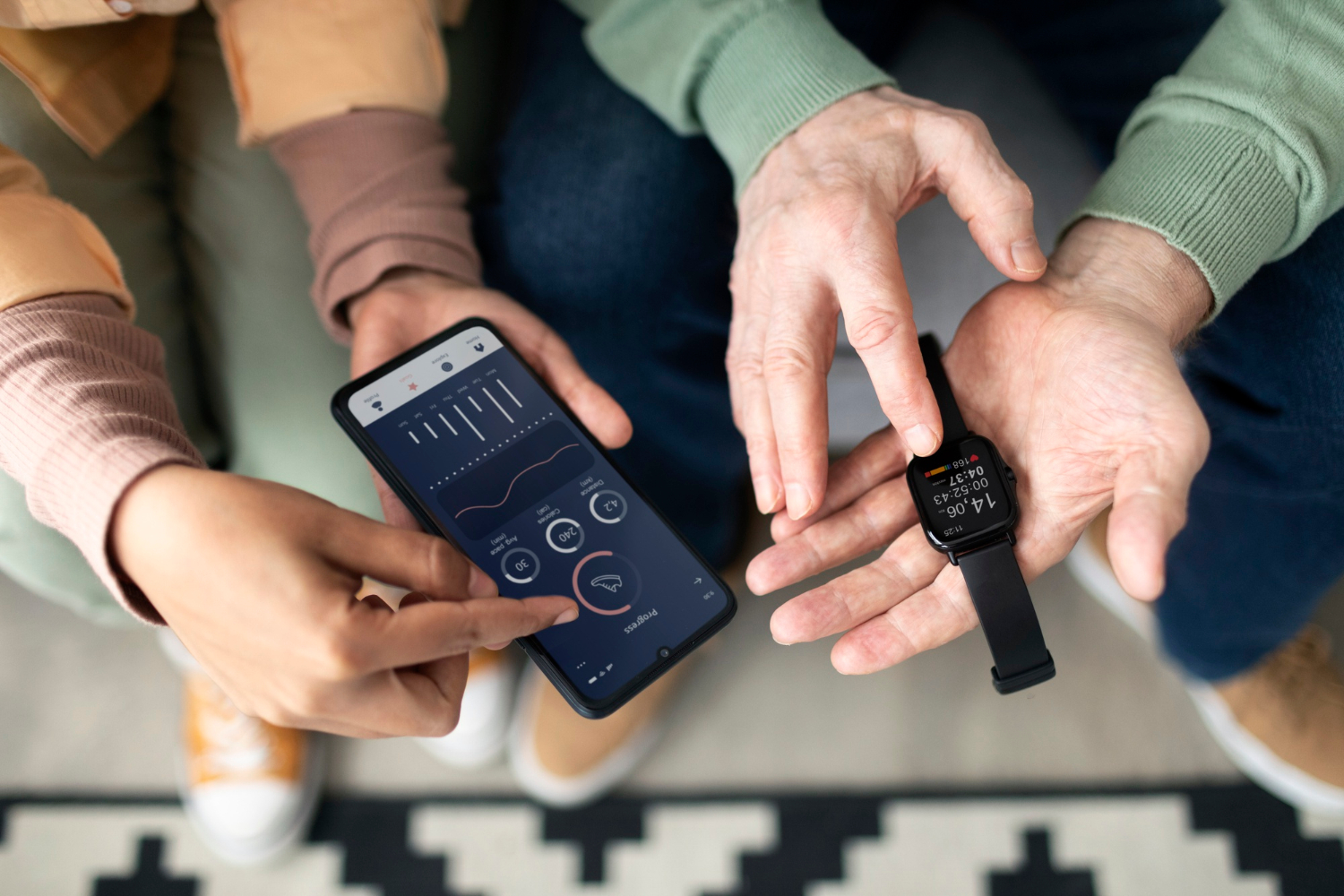
Introduction
In the last decade, wearable technology has emerged as a transformative innovation, revolutionizing the way individuals interact with digital systems and manage personal health, fitness, and lifestyle data. Devices such as smartwatches, fitness trackers, medical sensors, and augmented reality (AR) headsets have become integral to daily life, constantly collecting and transmitting data about users’ physical activities, heart rate, sleep patterns, and even emotional states. This continuous flow of sensitive information, while immensely useful for personalized health insights and technological convenience, also raises profound concerns about data privacy, security, and ownership.
Simultaneously, blockchain technology—a decentralized and tamper-resistant digital ledger—has emerged as a promising solution to many of the privacy and trust challenges facing wearable ecosystems. Blockchain’s capacity for transparency, immutability, and secure data sharing aligns with the ethical and practical demands of modern digital health systems. Integrating blockchain into wearable technology ecosystems has the potential to empower users with greater control over their personal data, enable secure interoperability among devices, and minimize the risks of centralized data breaches.
However, this integration is not without its complexities. Blockchain itself brings technical and regulatory challenges, particularly regarding scalability, data storage limitations, and compliance with privacy laws such as the General Data Protection Regulation (GDPR). Thus, while the combination of wearable devices and blockchain holds vast potential for enhancing privacy and trust, it also introduces new dilemmas that must be carefully examined.
This paper explores data privacy considerations in wearable technology, the potential of blockchain as a privacy-enhancing tool, and the ethical, legal, and technological challenges that arise when these two fields intersect. Through this exploration, it becomes evident that achieving true data sovereignty for users in a connected world requires not just technological innovation but also robust governance and ethical frameworks.
Data Privacy in Wearable Technology: Opportunities and Risks
Wearable technology represents a major shift in how individuals engage with personal and health-related data. Devices such as Apple Watch, Fitbit, Garmin, and medical-grade wearables continuously gather biometric and behavioral data, often transmitting it to cloud platforms for analysis, recommendation generation, or health monitoring. This seamless data flow enables personalized experiences, real-time health diagnostics, and preventive medical insights, but it also exposes users to significant privacy vulnerabilities.
1.1 Nature and Sensitivity of Wearable Data
Unlike traditional data sources, wearable devices capture continuous, real-time physiological and behavioral data that can reveal intricate details about a person’s life. This includes heart rate variability, blood oxygen levels, location tracking, movement patterns, sleep cycles, and even stress indicators inferred from biometric signals. When combined with artificial intelligence (AI), these data points can construct detailed digital profiles capable of predicting user behavior, mental health conditions, or susceptibility to certain diseases.
Such data is highly sensitive—not only medically but also socially and economically. Unauthorized access to it could lead to identity theft, discrimination by insurers or employers, or targeted advertising based on intimate personal traits. The potential misuse of wearable data extends beyond individual harms to collective concerns about digital surveillance, profiling, and loss of autonomy.
1.2 Centralized Data Storage and Associated Vulnerabilities
Most wearable ecosystems rely on centralized architectures, where data is collected by the device and transmitted to a proprietary cloud platform owned by the manufacturer or a third-party service provider. For instance, Fitbit data is stored on Google’s servers, and Apple Watch data is processed through Apple’s HealthKit infrastructure. While these companies implement strong security protocols, the centralized nature of storage means that a single breach could compromise millions of users’ sensitive information.
In addition to external cyber threats, internal misuse of data—such as unauthorized sharing with advertisers, data brokers, or research entities—poses a substantial risk. Users often consent to data collection through lengthy privacy policies they rarely read or fully understand. This asymmetric power relationship between corporations and consumers results in a loss of control over personal information, violating the principle of data sovereignty.
1.3 Legal and Ethical Considerations
Globally, data protection regulations such as the GDPR (Europe), HIPAA (United States), and DPDP Act (India) emphasize user consent, transparency, and the right to access or delete personal data. However, the nature of wearable data complicates these provisions. For instance, when a wearable device continuously collects data, how can users exercise meaningful consent in real time? Moreover, anonymization—a common privacy safeguard—is not always effective, as biometric and behavioral patterns can easily re-identify individuals.
Ethically, wearable data collection raises questions about informed consent, data ownership, and the boundaries of digital surveillance. The growing integration of wearable data into healthcare systems and insurance programs also challenges notions of autonomy and equity, as individuals may feel pressured to share their data for better premiums or services.
1.4 The Need for Privacy-Centric Architectures
Addressing these challenges requires a shift from centralized, opaque data architectures to user-centric, privacy-preserving systems. Decentralization, encryption, and selective data sharing mechanisms can enhance privacy while maintaining functionality. It is in this context that blockchain technology emerges as a promising enabler—offering distributed trust and secure data management capabilities that align with privacy-by-design principles.
Blockchain as a Framework for Enhancing Data Privacy
Blockchain, initially developed as the foundational technology for cryptocurrencies like Bitcoin, has evolved into a versatile tool for secure, transparent, and decentralized data management. At its core, blockchain is a distributed ledger maintained by a network of nodes that collectively verify and record transactions without the need for centralized intermediaries. This decentralization and immutability make it particularly attractive for safeguarding the integrity and privacy of wearable data.
2.1 Principles of Blockchain Relevant to Privacy
Blockchain’s key attributes—decentralization, transparency, immutability, and cryptographic security—address several privacy concerns inherent in wearable technology. Data on a blockchain is encrypted and linked using cryptographic hashes, ensuring that once recorded, it cannot be tampered with or deleted without consensus. This creates an auditable trail that enhances accountability and trust.
However, unlike public blockchains such as Bitcoin, wearable ecosystems typically require permissioned or private blockchains to balance transparency with confidentiality. In such systems, access control mechanisms restrict data visibility to authorized entities, enabling privacy without sacrificing data integrity.
2.2 Data Ownership and User Control
Blockchain can fundamentally redefine data ownership by giving users direct control over their information. Through self-sovereign identity (SSI) frameworks, individuals can store their personal identifiers and wearable data in secure digital wallets, sharing specific data points only when necessary. For instance, a user might share proof of meeting a fitness target with an insurer without revealing raw health data. This selective disclosure is enabled by zero-knowledge proofs (ZKPs) and smart contracts, which automate consent and verification processes without exposing sensitive information.
Such mechanisms ensure that users maintain granular control over their data while still participating in broader data ecosystems, such as health research or digital health platforms. In essence, blockchain transforms users from passive data subjects into active data custodians.
2.3 Interoperability and Secure Data Sharing
One of the major challenges in wearable technology is interoperability—the ability of devices from different manufacturers to securely exchange and interpret data. Blockchain provides a unified, standardized ledger that can facilitate secure data sharing across heterogeneous platforms. With smart contracts, data transactions can be executed automatically under pre-defined conditions, ensuring that privacy preferences are respected and that no party can access more information than permitted.
For example, healthcare providers could access a patient’s heart rate or glucose levels stored on a blockchain ledger only after explicit user authorization. This mechanism can also enable cross-border medical data sharing without violating local data protection laws, as data remains encrypted and accessible only via cryptographic keys.
2.4 Transparency and Accountability
Blockchain’s immutability ensures that any data access or modification attempt is traceable and verifiable. This fosters transparency and accountability among data processors and device manufacturers. Regulatory bodies could audit blockchain records to ensure compliance with privacy laws, while users could track who accessed their data and for what purpose.
However, this transparency must be balanced against the right to privacy. Public visibility of blockchain records can inadvertently expose metadata, potentially leading to privacy breaches. Therefore, privacy-enhancing technologies (PETs) such as off-chain storage, data obfuscation, and confidential transactions are often integrated to mitigate these risks.

2.5 Practical Implementations and Use Cases
Several pilot projects and research initiatives demonstrate the feasibility of blockchain-enabled wearables. For instance:
- HealthChain and MedRec explore blockchain-based electronic health record systems that integrate wearable data for patient-centered care.
- Arianee and IoTChain use blockchain for secure IoT device communication, ensuring authenticity and preventing data tampering.
- Insurance firms are experimenting with tokenized incentive systems, where wearable data recorded on blockchain verifies fitness milestones for premium discounts.
These examples illustrate blockchain’s potential to redefine trust and security in wearable ecosystems, though scalability and regulatory adaptation remain key challenges.
Challenges and Future Directions for Blockchain-Enabled Wearable Privacy
While the synergy between blockchain and wearable technology appears promising, its implementation involves significant technical, regulatory, and ethical challenges. Addressing these is essential for realizing blockchain’s potential as a privacy-preserving infrastructure.
3.1 Scalability and Data Storage Constraints
Wearable devices generate vast amounts of continuous data—far too large to be stored directly on blockchain. Storing such data would lead to network congestion, high energy costs, and slower transaction speeds. Consequently, most blockchain architectures use off-chain storage solutions, where only metadata or cryptographic hashes are stored on-chain while actual data resides in external databases. However, this hybrid approach reintroduces elements of centralization, potentially undermining the decentralization benefits blockchain offers.
Emerging solutions such as InterPlanetary File System (IPFS), sidechains, and layer-2 protocols aim to address these scalability issues by optimizing data throughput and reducing latency while maintaining decentralization.
3.2 Compliance with Privacy Regulations
A major tension exists between blockchain’s immutability and privacy laws like GDPR, which grant individuals the “right to be forgotten.” Once data is recorded on a blockchain, it cannot be deleted, creating a direct conflict with these legal rights. Techniques such as pseudonymization, data encryption, and storing only data hashes offer partial solutions, but a complete reconciliation between immutable ledgers and mutable legal frameworks remains an open challenge.
Regulators and technologists must collaborate to create “compliance-aware blockchains” that can respect user deletion requests through cryptographic key revocation or data referencing rather than direct erasure.
3.3 Security and Vulnerability Risks
Although blockchain is inherently secure against data tampering, it is not immune to other forms of attack. 51% attacks, smart contract bugs, and malicious nodes can compromise network integrity. Additionally, wearable devices themselves—being low-power and constantly connected—are vulnerable to physical tampering and data interception. Thus, securing wearable-blockchain systems requires a multi-layered approach, combining device-level encryption, secure communication protocols, and continuous security audits.
3.4 Ethical and Social Implications
Beyond technical and legal hurdles, integrating blockchain into wearable technology raises ethical questions about autonomy, consent, and equity. The complex nature of blockchain systems may make it difficult for average users to understand how their data is processed, potentially undermining informed consent. Moreover, access to blockchain-enabled devices may remain limited to technologically privileged populations, widening the digital divide.
From a societal perspective, blockchain’s transparency could also inadvertently enable surveillance through metadata analysis, especially in public blockchains. Therefore, future systems must embed privacy-by-design and ethics-by-design principles from the outset.
3.5 The Path Ahead: Toward Decentralized Data Sovereignty
The future of wearable data privacy likely lies in decentralized data ecosystems that balance transparency, control, and usability. Blockchain can serve as the backbone for personal data vaults, where users own and manage their digital identities across multiple devices and services. Integration with artificial intelligence, federated learning, and edge computing could enable local data processing, reducing reliance on centralized servers.
Research into privacy-preserving blockchain technologies, such as homomorphic encryption, secure multiparty computation (SMPC), and zero-knowledge proofs, is accelerating. These innovations could make it possible to analyze wearable data for public health or research purposes without compromising individual privacy.
Collaborative governance models—bringing together technologists, policymakers, healthcare providers, and civil society—will be essential to ensure that blockchain deployment in wearables aligns with ethical and legal expectations. Ultimately, the goal should be not just technical efficiency but empowerment and trust in a data-driven world.
Conclusion
The convergence of wearable technology and blockchain represents one of the most compelling intersections in the digital era—a union of ubiquitous data generation and decentralized trust mechanisms. Wearables have the potential to revolutionize health management, lifestyle monitoring, and personalized care, yet their data-intensive nature exposes users to unprecedented privacy risks. Blockchain offers a promising counterbalance by enabling secure, transparent, and user-centric data architectures, allowing individuals to reclaim ownership of their personal information.
Nevertheless, this integration is not a panacea. Technical challenges related to scalability, energy efficiency, and data storage persist, while regulatory conflicts between immutability and privacy rights remain unresolved. Ethical considerations surrounding consent, accessibility, and fairness further complicate deployment.
Moving forward, the success of blockchain-enabled wearable ecosystems will depend on achieving a delicate equilibrium—leveraging decentralization to empower users while ensuring compliance, inclusivity, and security. As technology continues to evolve, so too must the frameworks that govern it, ensuring that the quest for innovation never undermines the fundamental right to privacy. In this balance lies the true promise of a transparent yet humane digital future—where technology serves people, not the other way around.