
 Daniel Scott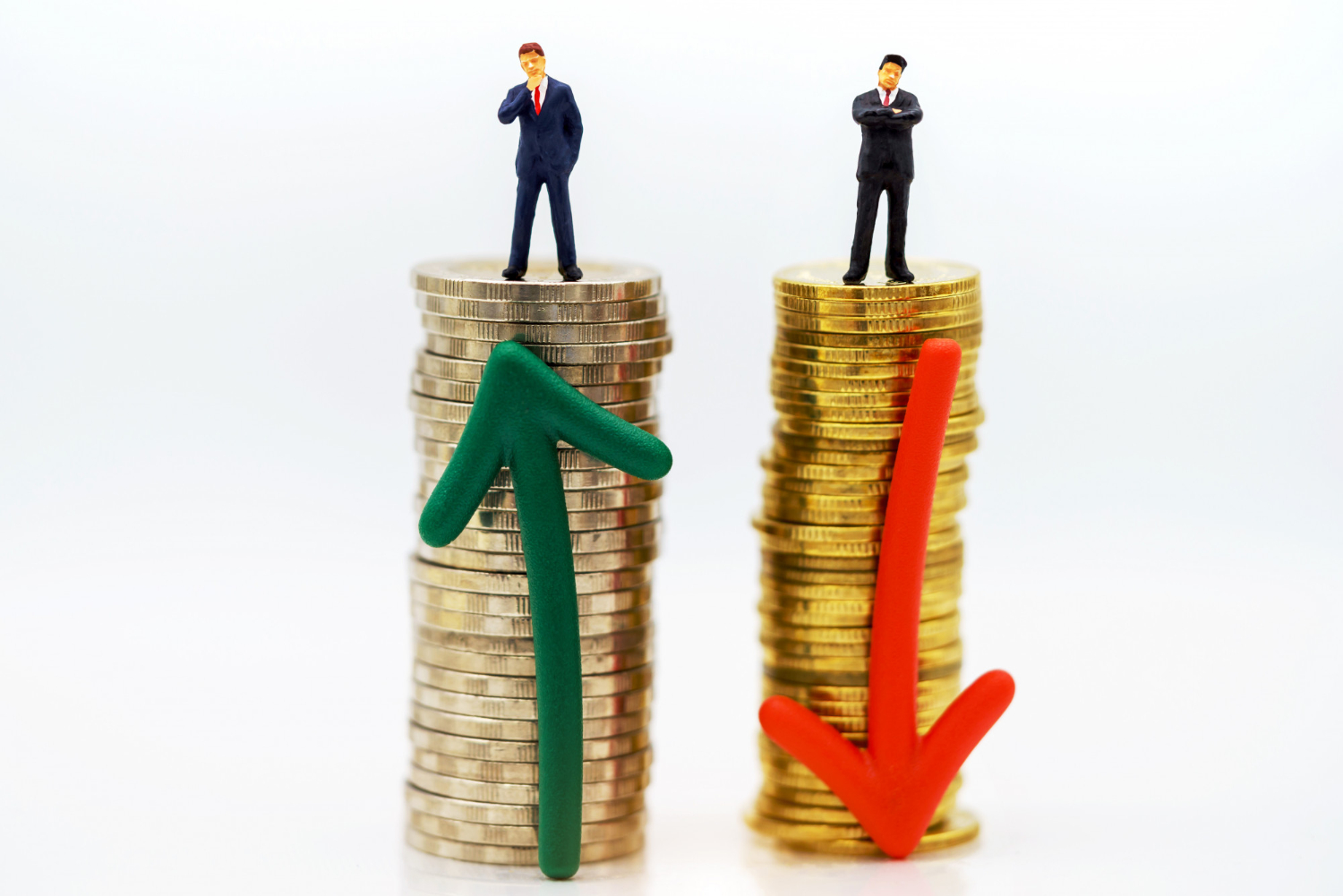
Introduction
The global economy moves in cycles, shifting between periods of growth, stability, and decline. Two of the most discussed yet misunderstood economic phenomena are inflation and recession. They dominate news headlines, shape government policies, influence investment strategies, and directly affect every household’s purchasing power. While both are indicators of economic instability, they are fundamentally different in nature, causes, and consequences. Inflation refers to the rise in prices over time, reducing the value of money, whereas a recession represents a slowdown in economic activity, typically characterized by falling GDP, job losses, and reduced consumer spending.
Understanding the difference between inflation and recession is crucial not just for economists or policymakers but for ordinary people as well. The prices of groceries, housing, fuel, education, and even your job prospects are tied to how these two forces play out in the broader economy. Moreover, inflation and recession can sometimes coexist—a condition known as stagflation—making economic management even more challenging. This article explores the key distinctions between inflation and recession, their root causes, their impact on individuals and nations, and how governments and central banks respond to each.
What Is Inflation? Causes, Types, and Consequences
Inflation refers to the general increase in prices of goods and services over time. When inflation occurs, the purchasing power of money declines—meaning you can buy less with the same amount of money. For example, if inflation is 5%, something that cost ₹100 last year would cost ₹105 this year. A moderate amount of inflation is natural and even healthy for a growing economy. However, when inflation rises too quickly, it can erode savings, distort spending patterns, and undermine economic stability.
1.1 Causes of Inflation
There are several reasons inflation may occur, and economists generally categorize them into three broad types:
- Demand-Pull Inflation: This happens when demand outpaces supply. If consumers and businesses are buying more than the economy can produce, prices rise. For instance, during periods of strong economic growth, when employment and wages are high, people spend more—driving up prices.
- Cost-Push Inflation: This occurs when the cost of production increases—for example, due to rising wages, raw material prices, or energy costs. Companies then pass these higher costs to consumers in the form of higher prices.
- Built-In Inflation: Often called wage-price inflation, this happens when workers demand higher wages to keep up with rising prices, and businesses, in turn, increase prices to cover the higher wage costs. This creates a self-reinforcing cycle.
1.2 Types of Inflation
Inflation can take various forms depending on its rate and characteristics:
- Creeping Inflation (1–3% per year): A slow, steady rise in prices, considered normal and manageable.
- Walking Inflation (3–10% per year): Noticeable inflation that can start to hurt purchasing power.
- Galloping Inflation (10–100% per year): Rapid price increases that can destabilize economies.
- Hyperinflation (Over 100% per year): Extreme inflation where prices rise uncontrollably, often due to excessive money printing or political instability—such as in Zimbabwe or Venezuela.
1.3 Effects of Inflation
Inflation affects everyone—consumers, businesses, and governments alike:
- Consumers lose purchasing power, meaning their income buys fewer goods.
- Savers see the real value of their money diminish unless interest rates rise to compensate.
- Borrowers, however, can benefit, as the real value of their debt decreases over time.
- Businesses face uncertainty in costs and pricing, which can deter investment.
- Governments may collect more tax revenue (since incomes and prices rise), but public pressure increases to control living costs.
1.4 How Inflation Is Measured and Controlled
Governments and central banks monitor inflation through price indexes such as the Consumer Price Index (CPI) and Wholesale Price Index (WPI). To control inflation, central banks (like the Reserve Bank of India or the U.S. Federal Reserve) adjust monetary policy—primarily by changing interest rates. Raising rates discourages borrowing and spending, cooling down demand. Fiscal policies, such as reducing government spending or subsidies, can also help curb inflation.
While moderate inflation signals a growing economy, excessive inflation can lead to social unrest, erode trust in currency, and disrupt long-term economic planning. Thus, keeping inflation within an acceptable range (often 2–6%) is a key goal of economic policy.
What Is a Recession? Causes, Indicators, and Impacts
A recession is a significant decline in economic activity across the economy, lasting more than a few months. It is typically reflected in falling GDP (Gross Domestic Product), declining income, reduced industrial production, and higher unemployment. In simple terms, a recession means the economy is shrinking rather than growing. When consumers spend less, businesses cut back on production, and job losses increase, a vicious cycle of contraction begins.
2.1 Causes of a Recession
Recessions can be triggered by a combination of factors—some predictable, others unexpected:
- High Inflation and Interest Rates: When inflation rises excessively, central banks often increase interest rates to cool it down. Higher borrowing costs discourage investment and spending, slowing the economy and sometimes tipping it into recession.
- Financial Crises: Bank collapses or stock market crashes can reduce liquidity, confidence, and investment. The 2008 Global Financial Crisis is a prime example.
- Supply Chain Shocks: Events like pandemics, wars, or natural disasters can disrupt supply chains, raise costs, and reduce production.
- Declining Consumer Confidence: When people fear job losses or economic instability, they spend less, which reduces demand and slows economic growth.
- Excessive Debt: When businesses or consumers take on too much debt, they become vulnerable to downturns. A rise in defaults can trigger financial instability.
2.2 Indicators of a Recession

Economists rely on several indicators to identify or predict a recession:
- Two consecutive quarters of negative GDP growth (the traditional definition).
- Rising unemployment rates, signaling job cuts and reduced hiring.
- Falling retail sales and industrial output, showing reduced demand.
- Declining business investment and slowing new orders.
- Inverted yield curve, where long-term interest rates fall below short-term rates—a common precursor to recessions.
2.3 Effects of a Recession
The impact of a recession is far-reaching:
- Employment: Job losses rise as companies cut costs.
- Income: Wages stagnate or fall, reducing household spending power.
- Business Profits: Decline as demand weakens.
- Government Finances: Tax revenues fall while spending on welfare rises, leading to budget deficits.
- Investment: Investors seek safe assets, causing stock markets to drop.
However, recessions also serve a corrective purpose in economic cycles—they clear out inefficiencies, correct asset bubbles, and set the stage for future recovery. While painful, recessions can lead to long-term stability if managed correctly.
2.4 How Governments Respond to Recessions
During recessions, governments and central banks often deploy expansionary fiscal and monetary policies to stimulate growth:
- Lowering interest rates to encourage borrowing and investment.
- Injecting liquidity into the financial system through asset purchases (quantitative easing).
- Increasing government spending on infrastructure and welfare to create jobs.
- Cutting taxes to leave consumers with more disposable income.
The goal is to boost demand, restore confidence, and reignite economic activity. While such measures can revive growth, they must be managed carefully to avoid triggering high inflation later.
Inflation vs Recession: Key Differences and Interrelationship
While inflation and recession are distinct phenomena, they are closely interconnected within the broader economic cycle. Understanding their differences and how they interact is vital for interpreting economic policy and personal financial decisions.
3.1 Key Differences
| Aspect | Inflation | Recession |
|---|---|---|
| Definition | Rise in general price levels | Decline in economic activity |
| Core Problem | Too much money chasing too few goods | Too little spending or demand |
| Economic Phase | Usually during expansion | During contraction |
| Impact on Consumers | Reduces purchasing power | Reduces income and employment |
| Central Bank Response | Raise interest rates | Lower interest rates |
| Beneficiaries | Borrowers (in moderate inflation) | Savers (interest rates may rise before recession) |
| Duration | Can persist for years | Typically 6–18 months |
| Example | Post-pandemic inflation (2021–2023) | Global Financial Crisis (2008–2009) |
Essentially, inflation is a symptom of an overheating economy, whereas a recession represents a cooling economy.
3.2 When Inflation and Recession Occur Together
The most challenging scenario is when inflation and recession occur simultaneously, a situation known as stagflation. It combines the worst of both worlds—rising prices and falling growth. This rare condition first emerged during the 1970s oil crisis when supply shocks caused prices to surge while economic activity slowed. Stagflation presents policymakers with a dilemma: raising interest rates can curb inflation but worsen unemployment; cutting rates may boost growth but fuel inflation further.
In such cases, structural reforms, targeted fiscal measures, and supply-side improvements (such as boosting productivity and reducing import dependence) become necessary. Stagflation illustrates the delicate balance central banks must maintain between promoting growth and controlling prices.
3.3 The Role of Central Banks and Policymakers
Central banks like the Federal Reserve (U.S.), European Central Bank, or Reserve Bank of India (RBI) play a central role in managing inflation and recession through monetary policy tools. Their challenge lies in finding the “Goldilocks zone”—neither too hot (inflationary) nor too cold (recessionary).
For example:
- When inflation rises, the RBI may increase repo rates to make borrowing costlier and reduce spending.
- When growth slows, it may cut rates to encourage borrowing and stimulate investment.
Fiscal policies also matter—governments can adjust taxation and spending to influence aggregate demand. The ideal scenario is sustainable growth with low inflation, but achieving this balance requires constant monitoring and timely intervention.
3.4 How Individuals Can Respond
While inflation and recession are large-scale economic issues, individuals can take steps to mitigate their personal impact:
- During Inflation:
- Diversify investments into assets that hedge against inflation (like gold, real estate, or inflation-linked bonds).
- Avoid holding too much cash, as its real value erodes.
- Focus on skill development to ensure wage growth keeps pace with inflation.
- During Recession:
- Build an emergency fund covering at least 6–12 months of expenses.
- Reduce unnecessary debt.
- Invest cautiously in stable or defensive sectors (e.g., utilities, healthcare).
- Prioritize job security and continuous learning to stay employable.
Economic cycles are inevitable, but informed financial planning can soften their personal impact.
Conclusion
Inflation and recession are two sides of the same economic coin—both deeply influential yet often misunderstood. Inflation represents a rise in prices and a decline in money’s value, usually occurring during periods of economic growth or excess demand. Recession, by contrast, reflects a downturn—falling output, rising unemployment, and declining consumer confidence. While they differ in cause and effect, they are also interconnected: measures to control inflation can sometimes trigger recession, and efforts to end a recession can risk renewed inflation.
For policymakers, the challenge lies in maintaining equilibrium—fostering growth without overheating the economy. For individuals, understanding these dynamics is equally essential. It allows smarter financial decisions, from saving and investing to managing debt and employment. The lessons of history—from the Great Depression to the post-pandemic inflationary pressures—remind us that economic cycles are natural, but resilience and adaptability can turn uncertainty into opportunity.
In essence, inflation and recession are not just numbers on a chart—they shape everyday life, influence politics, and determine a nation’s prosperity. Recognizing their differences, anticipating their effects, and preparing wisely is the key to navigating the ever-changing tides of the global economy.