
 Daniel Scott
Introduction
For decades, gold has been regarded as the ultimate safe-haven asset and the undisputed leader of the precious metals market. Investors traditionally flock to gold during periods of economic uncertainty, geopolitical tension, and inflationary pressures. Silver, on the other hand, has often been seen as gold’s more volatile cousin—an asset that combines elements of both a precious metal and an industrial commodity. However, recent market developments have shifted this long-standing narrative. Silver has begun outperforming gold, fueled by strong industrial demand, tightening supply conditions, and growing investor interest.
The rally in silver prices is being driven by a unique combination of factors that differentiate it from gold. While gold primarily benefits from investment demand and central bank purchases, silver’s demand profile is more diverse. Nearly half of global silver consumption comes from industrial applications, including electronics, renewable energy technologies, electric vehicles, medical equipment, and advanced manufacturing. As global economies increasingly transition toward clean energy and digital infrastructure, the demand for silver has surged dramatically.
Another factor supporting silver’s rally is the widening gold-silver ratio, which historically indicates that silver may be undervalued relative to gold. Investors and hedge funds often use this ratio as a signal to increase exposure to silver when it becomes relatively cheap compared to gold. Additionally, tightening mine supply and growing deficits in the physical silver market have further amplified bullish sentiment.
With governments worldwide investing heavily in renewable energy projects and technological innovation, the demand for silver continues to accelerate. Solar panels alone require substantial quantities of silver for photovoltaic cells, and the expansion of electric vehicles and advanced electronics has only increased this dependency. These structural changes are reshaping the precious metals market and positioning silver as a critical metal for the future global economy.
In this evolving landscape, investors are beginning to view silver not only as a store of value but also as a strategic industrial commodity. The result has been a powerful rally in silver prices, often outpacing gold in percentage gains during key periods. Understanding the forces behind this shift is essential for investors, policymakers, and industry participants alike.
This article explores the major drivers behind silver’s recent outperformance relative to gold, including rising industrial demand, the global clean-energy transition, supply constraints, changing investment dynamics, and the long-term outlook for the metal.
Industrial Demand Becomes the Primary Catalyst
One of the most significant factors behind silver’s recent rally is the dramatic increase in industrial demand. Unlike gold, which is largely used for jewelry and investment purposes, silver plays a crucial role in a wide range of industrial applications. Its unique properties—high electrical conductivity, thermal conductivity, and reflectivity—make it indispensable in modern technology.
The electronics industry remains one of the largest consumers of silver. Smartphones, laptops, semiconductors, and countless electronic devices rely on silver components to function efficiently. As global demand for consumer electronics continues to grow, so does the need for silver.
Another rapidly expanding sector driving silver demand is renewable energy, particularly solar power. Silver is a key component in photovoltaic cells used in solar panels. Each solar panel contains small amounts of silver paste that help conduct electricity generated from sunlight. As governments around the world invest billions of dollars in solar energy infrastructure to reduce carbon emissions, the consumption of silver in this sector has increased dramatically.
Electric vehicles also contribute to rising silver demand. Compared to traditional gasoline-powered cars, electric vehicles require significantly more silver due to their complex electronic systems, batteries, and charging infrastructure. The rapid adoption of EVs in markets such as China, Europe, and the United States has therefore created another powerful demand driver.
In addition to electronics and renewable energy, silver is also widely used in medical technology. Its natural antibacterial properties make it useful in wound dressings, medical instruments, water purification systems, and hospital equipment. As healthcare technologies evolve, silver continues to find new applications.
The growth of advanced manufacturing and automation is also increasing industrial consumption of silver. Robotics, 5G networks, artificial intelligence hardware, and industrial sensors all rely on high-performance conductive materials, and silver remains one of the best options available.
As these industries expand globally, the demand for silver is expected to rise further. This industrial dependence gives silver a unique advantage over gold during periods of economic growth, as rising production and technological innovation directly translate into higher silver consumption.
The Clean Energy Revolution and Silver’s Strategic Role
The global shift toward renewable energy has fundamentally transformed the demand outlook for silver. Governments and corporations around the world are committing trillions of dollars to reduce carbon emissions and transition toward sustainable energy sources. Among these technologies, solar power has emerged as one of the fastest-growing sectors, and silver plays a crucial role in its development.
Photovoltaic solar panels rely on silver-based conductive materials to convert sunlight into electricity efficiently. Without silver, the performance and reliability of these panels would be significantly reduced. As solar installations increase across continents—from massive utility-scale projects to residential rooftop systems—the amount of silver required for production continues to grow.
Many countries have set ambitious targets for renewable energy capacity. Nations such as China, India, Germany, and the United States are rapidly expanding their solar energy infrastructure to meet climate goals. This expansion directly increases the demand for silver used in solar technology.
Energy storage systems and smart grids also contribute to silver demand. As renewable energy becomes a larger portion of the global energy mix, advanced electrical infrastructure is required to store and distribute electricity efficiently. Silver’s superior conductivity makes it a valuable component in these systems.
The electrification of transportation further strengthens silver’s strategic importance. Electric vehicles require silver in battery management systems, charging stations, power electronics, and onboard electronics. With automakers worldwide investing heavily in EV production, silver consumption in the automotive sector is expected to increase significantly over the next decade.
Additionally, the rollout of 5G networks and next-generation communication technologies is expanding the use of silver in telecommunications infrastructure. High-frequency networks require highly conductive materials, and silver remains one of the most effective choices.
As global industries transition toward cleaner and more technologically advanced systems, silver is increasingly recognized as a critical metal for the energy transition. This structural demand growth provides a strong long-term foundation for silver prices.
Supply Constraints and Structural Market Deficits
While demand for silver continues to rise, supply growth has struggled to keep pace. This imbalance between supply and demand has created structural deficits in the silver market, contributing to upward pressure on prices.
Unlike gold, which is often mined specifically for investment and jewelry markets, a significant portion of silver production comes as a byproduct of mining other metals such as copper, zinc, and lead. This means that silver supply is heavily dependent on the production levels of these base metals rather than the price of silver itself.
When mining companies reduce production of base metals due to economic conditions, silver output can also decline. This creates challenges for meeting the growing industrial demand for silver.
Another factor limiting supply growth is the declining quality of silver ore deposits. Many of the world’s largest silver mines have already been extensively developed, and new discoveries are becoming increasingly rare. Mining companies must invest heavily in exploration and advanced extraction technologies to maintain production levels.
Environmental regulations and permitting challenges also play a role. Mining projects often face long approval processes and strict environmental standards, which can delay new supply entering the market.
Recycling contributes to the global silver supply, but it cannot fully offset rising industrial consumption. Many silver applications involve extremely small quantities embedded in electronic components, making recovery difficult and costly.
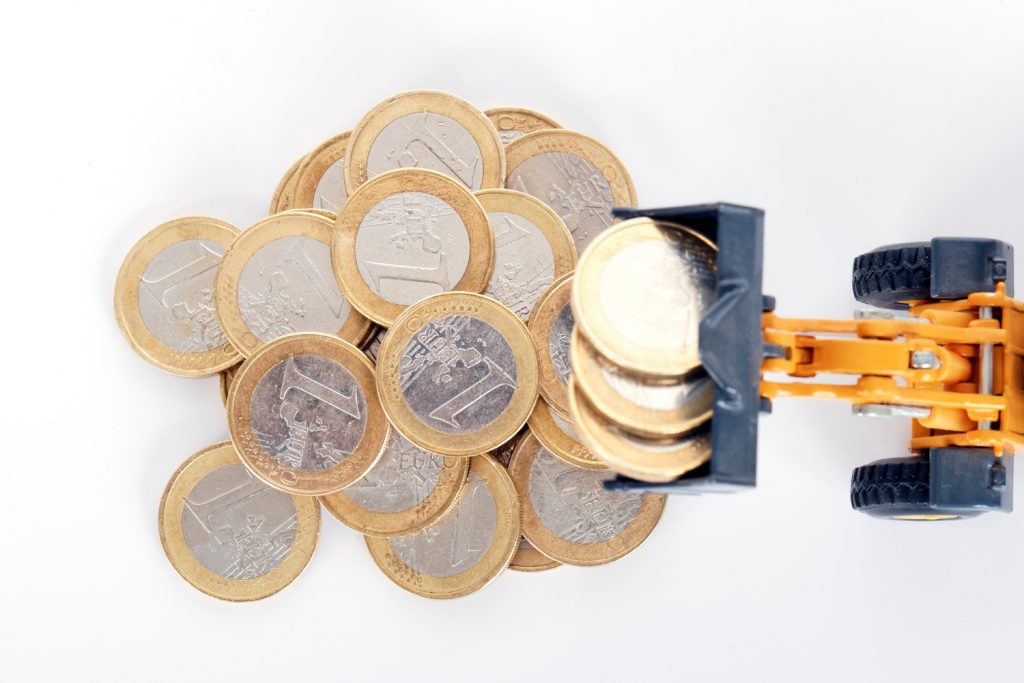
As a result, the silver market has experienced repeated supply deficits in recent years. These deficits occur when total demand exceeds the available supply from mining and recycling. Persistent deficits tend to reduce available inventories and push prices higher over time.
In contrast, gold typically maintains larger above-ground stockpiles that can be mobilized when prices rise. Silver’s industrial consumption means that much of the metal is permanently consumed in products, reducing the amount available for future supply.
This tightening supply environment has amplified the impact of rising industrial demand, making silver particularly sensitive to shifts in global economic activity.
Investor Interest and Market Dynamics
Alongside strong industrial demand, investment flows have also played a key role in silver’s recent outperformance relative to gold. Precious metals investors often analyze the gold-silver ratio, which measures how many ounces of silver are required to purchase one ounce of gold. Historically, this ratio has fluctuated widely, sometimes signaling opportunities for relative value trades.
When the ratio becomes unusually high, it suggests that silver may be undervalued compared to gold. In such cases, investors often shift capital into silver in anticipation of a price rebound. This dynamic has contributed to increased interest in silver exchange-traded funds (ETFs), futures contracts, and physical bullion.
Retail investors are also drawn to silver because it is significantly more affordable than gold on a per-ounce basis. This accessibility makes silver an attractive entry point for individuals looking to invest in precious metals without committing large amounts of capital.
Market volatility also tends to amplify silver’s price movements. Silver historically experiences larger percentage swings than gold due to its smaller market size and dual role as both an industrial and precious metal. During bullish periods for commodities and global growth, silver often rallies more aggressively than gold.
Institutional investors, hedge funds, and commodity traders closely monitor macroeconomic conditions such as inflation expectations, interest rates, and currency fluctuations. When inflation fears rise or central banks adopt accommodative monetary policies, precious metals often benefit as investors seek protection against currency depreciation.
Silver also tends to attract speculative interest during strong commodity cycles. Traders may view silver as a leveraged play on gold because its price movements can be more dramatic during rallies.
As global economic conditions evolve and industrial demand strengthens, investment flows into silver markets are likely to remain an important driver of price momentum.
Long-Term Outlook for Silver Prices
Looking ahead, the long-term outlook for silver remains closely tied to global technological and economic trends. The metal’s role in renewable energy, electronics, electric vehicles, and advanced manufacturing suggests that demand will continue expanding for years to come.
Energy transition policies are expected to remain a major catalyst. Governments worldwide are committed to reducing carbon emissions and increasing renewable energy capacity. Solar power installations alone could require massive amounts of silver as countries build sustainable energy systems.
Technological innovation will also support demand. The rapid expansion of artificial intelligence infrastructure, high-performance computing, telecommunications networks, and smart devices all require conductive materials, positioning silver as a key component in future technologies.
At the same time, supply challenges may persist. Developing new mines requires substantial investment, regulatory approval, and long development timelines. As a result, supply growth may struggle to keep pace with rising demand.
This combination of strong industrial demand and constrained supply could continue supporting silver prices over the long term. While short-term volatility is inevitable, structural market dynamics suggest that silver may remain an increasingly important asset within the global commodities market.
For investors, silver offers a unique opportunity to gain exposure to both precious metals and industrial growth sectors. This dual identity allows silver to perform well in different economic environments—benefiting from technological expansion while also serving as a store of value during periods of uncertainty.
Conclusion
The recent rally in silver prices reflects a fundamental shift in the global precious metals market. While gold continues to serve as a traditional safe-haven asset, silver is increasingly gaining recognition for its critical role in modern industry and emerging technologies.
Industrial demand has become the primary force driving silver’s outperformance relative to gold. From electronics and renewable energy to electric vehicles and advanced manufacturing, silver is deeply embedded in the technologies shaping the future global economy.
The transition toward clean energy has further elevated silver’s importance, particularly in solar power generation and electrified transportation. As governments and corporations invest heavily in sustainable infrastructure, the demand for silver is likely to remain strong.
At the same time, supply constraints and structural market deficits have created conditions that support higher prices. Limited mine production, declining ore grades, and regulatory challenges make it difficult for supply to keep pace with rapidly growing demand.
Investor interest has also played a role in amplifying silver’s rally. The metal’s affordability, volatility, and historical relationship with gold attract both institutional and retail investors seeking opportunities in the precious metals market.
Looking forward, silver’s dual identity as both a precious and industrial metal places it in a unique position within the commodities landscape. As technological innovation accelerates and global economies continue transitioning toward clean energy, silver may play an increasingly strategic role.
While gold will likely remain the dominant safe-haven asset, silver’s expanding industrial relevance suggests that it could continue outperforming gold during periods of economic growth and technological advancement. For investors and industry participants alike, silver’s evolving role signals a powerful shift in the future of the precious metals market.






