
 Daniel Scott
Introduction
The European banking sector is undergoing a significant transformation as financial institutions adapt to a new era of instant payments. Across the European Union, regulators have introduced updated rules designed to make real-time money transfers more accessible, affordable, and reliable for consumers and businesses. These measures are intended to modernize the region’s payment infrastructure, strengthen financial integration, and support the development of a more competitive digital economy.
For many years, traditional bank transfers often required several hours or even days to reach recipients, particularly when transactions occurred outside standard business hours. Instant payment technology changes this dynamic by allowing funds to move between accounts within seconds, regardless of the time or day. The new regulatory framework seeks to ensure that such services become a standard feature rather than a premium offering available only to select customers.
As a result, banks throughout Europe are investing heavily in technological upgrades, cybersecurity systems, operational resilience, and customer-facing platforms. The acceleration of instant payment services is reshaping the competitive landscape of banking while creating new opportunities for innovation. At the same time, financial institutions must overcome substantial challenges related to infrastructure modernization, fraud prevention, and compliance requirements. The evolving environment highlights the growing importance of digital financial services in the European economy and demonstrates how regulation can act as a catalyst for industry-wide change.
Regulatory Changes Driving Instant Payment Adoption
The latest European regulations aim to establish instant payments as a core component of the financial system. Policymakers have recognized that modern consumers expect financial transactions to occur with the same speed and convenience as digital communication. Consequently, the regulatory framework encourages financial institutions to provide immediate payment capabilities on a broad scale.
One of the central objectives of the new rules is to eliminate barriers that previously limited the adoption of instant transfers. Historically, some banks charged higher fees for real-time payments than for conventional transfers, discouraging widespread use. The updated requirements seek to create greater pricing fairness, ensuring that customers can access faster payment services without excessive additional costs.
The regulations also focus on improving accessibility. Banks that offer standard electronic transfers are increasingly expected to support instant payment functionality. This approach helps create a more consistent experience across member states and promotes interoperability throughout the European financial system. By expanding access to real-time payments, regulators hope to stimulate economic activity and improve efficiency for businesses and consumers alike.
Another important aspect of the regulatory framework involves security measures. Faster transactions leave less time for manual review, making fraud prevention and identity verification more critical than ever. The rules therefore emphasize enhanced verification processes and stronger safeguards to reduce the risk of payment errors and financial crime. Financial institutions must ensure that transactions are not only fast but also secure and trustworthy.
The broader strategic goal behind these measures is to strengthen Europe’s financial autonomy and competitiveness. By creating a modern payment ecosystem capable of supporting instant transactions across borders, policymakers aim to reduce fragmentation and encourage innovation. The result is a regulatory environment that motivates banks to accelerate investment in advanced payment technologies while maintaining high standards of consumer protection.
How European Banks Are Transforming Their Payment Infrastructure
The shift toward instant payments requires extensive technological transformation. Many banks are modernizing systems that were originally designed for batch processing rather than real-time transaction execution. These legacy infrastructures often struggle to support continuous operations, creating a need for significant upgrades.
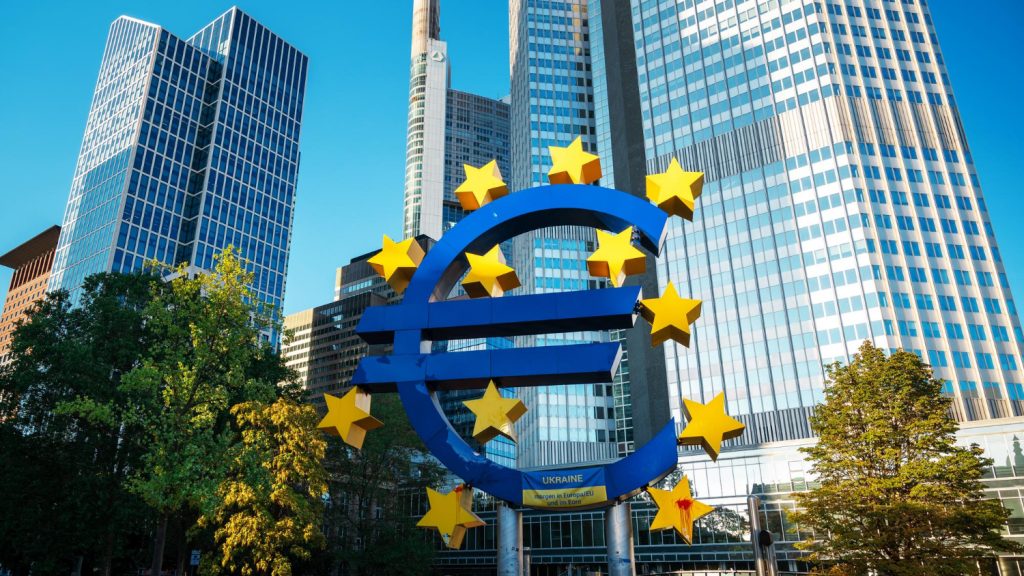
Financial institutions are investing in cloud technologies, advanced payment processing platforms, and real-time data management systems. These solutions allow transactions to be processed around the clock, ensuring that customers can send and receive funds instantly at any time. Unlike traditional banking systems that relied on scheduled processing windows, modern platforms operate continuously and can handle high transaction volumes with minimal delays.
Banks are also integrating sophisticated automation tools to improve efficiency. Artificial intelligence and machine learning technologies are increasingly used to monitor transaction activity, detect unusual behavior, and identify potential fraud risks. These systems help institutions maintain security while processing payments at unprecedented speeds.
Application programming interfaces, commonly known as APIs, have become another critical component of infrastructure modernization. APIs enable seamless communication between banks, fintech companies, merchants, and other financial service providers. This connectivity supports the development of innovative payment solutions and enhances customer experiences by allowing real-time access to financial data and services.
Cybersecurity investments are equally important. Instant payments create new challenges because fraudulent transactions can be completed before suspicious activity is identified through traditional monitoring methods. To address these concerns, banks are implementing advanced authentication systems, behavioral analytics, and continuous monitoring capabilities. These measures help protect customer accounts while preserving the speed advantages of instant transactions.
In addition to technological upgrades, banks are redesigning operational processes. Real-time payment systems require continuous availability, which means institutions must strengthen resilience and disaster recovery capabilities. Operational teams must be prepared to respond immediately to technical issues or security threats. This shift represents a major cultural and organizational change for many banks that historically operated within more predictable processing schedules.
The transformation extends beyond large multinational institutions. Regional and community banks are also investing in new technologies to remain competitive. Although these organizations may face resource constraints, many are partnering with technology providers and fintech firms to accelerate implementation. Such collaborations enable smaller institutions to participate in the evolving payments ecosystem without developing all capabilities internally.
Benefits and Challenges for Consumers, Businesses, and Financial Institutions
The expansion of instant payment services offers substantial benefits across the economy. For consumers, the most obvious advantage is convenience. Real-time transfers eliminate waiting periods and provide immediate confirmation that funds have been received. This capability is particularly valuable in situations involving urgent payments, shared expenses, or emergency financial needs.
Businesses also stand to gain significantly. Faster payments improve cash flow management by reducing delays between invoicing and settlement. Companies can access funds more quickly, allowing them to manage working capital more efficiently and respond rapidly to changing market conditions. Small and medium-sized enterprises, which often face tighter liquidity constraints, may benefit especially from improved payment speed.
Cross-border commerce can also become more efficient. As instant payment networks expand throughout Europe, businesses may experience smoother transactions with customers, suppliers, and partners in different countries. This enhanced connectivity supports economic integration and contributes to a more unified financial marketplace.
Despite these advantages, the transition presents several challenges. One major concern involves fraud prevention. Instant payments provide limited time for transaction review, increasing the importance of proactive security measures. Financial institutions must balance speed with protection, ensuring that fraudulent transfers can be identified before losses occur.
Cost is another challenge. Upgrading payment infrastructure requires significant investment in technology, personnel, and compliance systems. While larger banks may possess substantial resources, smaller institutions often face greater financial pressure when implementing regulatory requirements. Managing these costs while maintaining profitability remains a key concern across the industry.
Consumer education is equally important. Many users are unfamiliar with the unique characteristics of instant payments, including the difficulty of reversing completed transactions. Banks must invest in communication initiatives that help customers understand security best practices and recognize potential scams. Increased awareness can reduce the likelihood of payment-related fraud and strengthen confidence in digital financial services.
Operational complexity represents an additional hurdle. Continuous payment processing requires constant monitoring and rapid response capabilities. Financial institutions must maintain high system availability while ensuring compliance with evolving regulatory standards. Achieving these objectives demands ongoing investment and organizational adaptation.
Nevertheless, many industry observers believe that the long-term benefits outweigh the challenges. The ability to move money instantly aligns with modern consumer expectations and supports broader digital transformation efforts across the economy. As adoption increases, efficiencies and innovation may generate substantial value for both financial institutions and their customers.
Conclusion
The acceleration of instant payment services under new European regulations marks a defining moment in the evolution of the region’s banking industry. By encouraging broader access to real-time transactions, policymakers are promoting a financial environment that is faster, more efficient, and better aligned with the demands of the digital age. These regulatory changes are pushing banks to modernize infrastructure, strengthen security measures, and develop innovative services that enhance customer experiences.
The transition is not without challenges. Financial institutions must navigate significant technological upgrades, rising cybersecurity risks, operational complexity, and substantial investment requirements. At the same time, they must maintain consumer trust and comply with increasingly sophisticated regulatory expectations. Success will depend on the ability of banks to balance innovation with resilience and security.
Despite these obstacles, the momentum behind instant payments continues to grow. Consumers increasingly expect immediate access to financial services, while businesses seek faster and more efficient methods of managing transactions. The new regulatory framework provides a strong foundation for meeting these expectations and advancing financial modernization across Europe.
Looking ahead, instant payments are likely to become a standard feature of everyday banking rather than a specialized service. As adoption expands and technology continues to evolve, European banks will play a central role in shaping a more connected and responsive financial ecosystem. The current wave of transformation demonstrates how regulation, technology, and market demand can work together to redefine the future of payments and strengthen the competitiveness of Europe’s financial sector.






