 Daniel Scott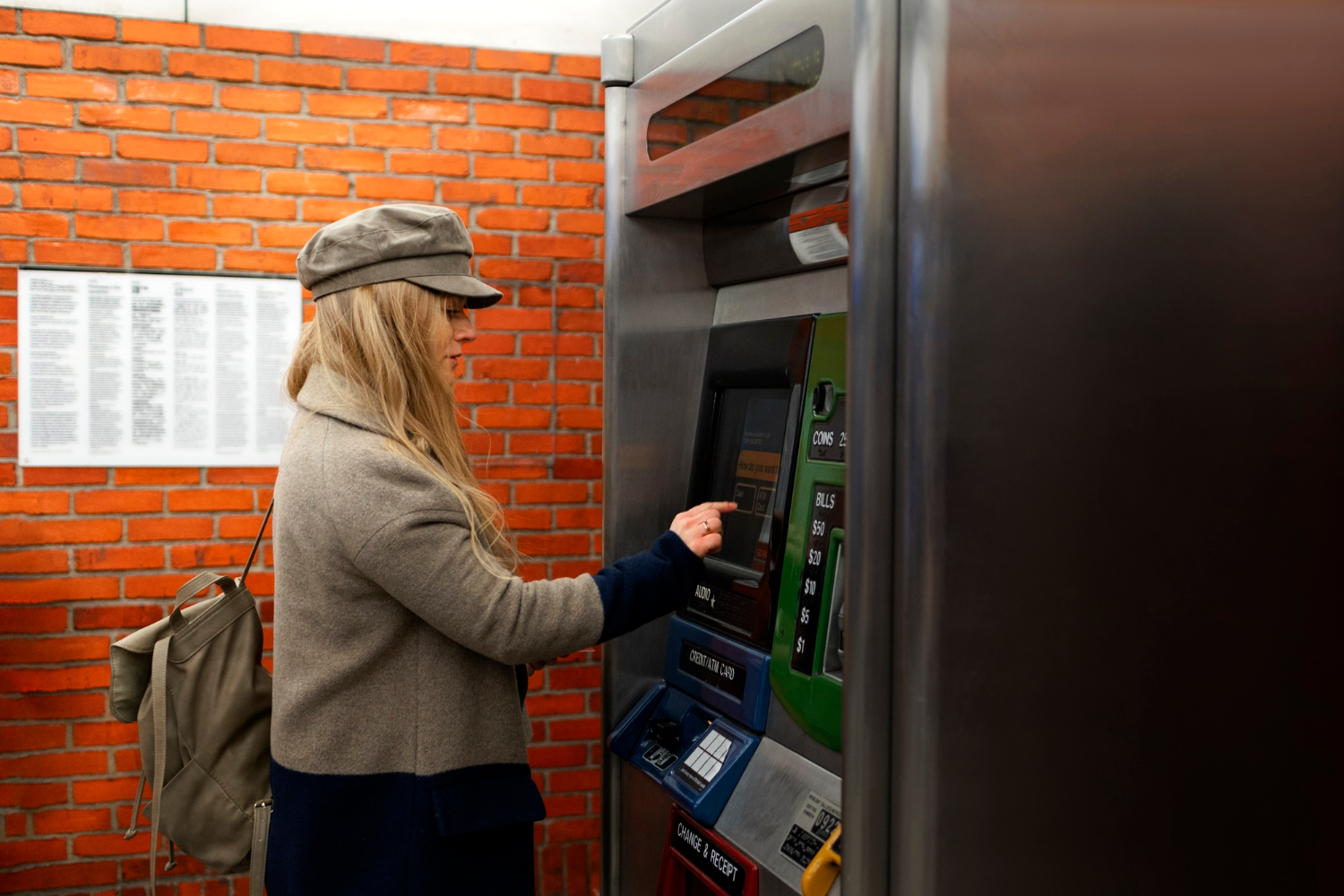
Introduction
Automated teller machines remain an essential part of everyday banking, even as digital payments, mobile wallets, and contactless transactions continue to expand. Millions of people still depend on ATMs to withdraw cash, check account balances, make deposits, and complete other basic financial activities. However, the technology used by criminals has also become more advanced, making ATM security an increasingly important concern for bank customers in 2026.
The safest way to use an ATM today involves much more than simply protecting a personal identification number. Criminals can attempt to steal financial information through card-skimming equipment, hidden cameras, fake keypads, fraudulent messages, social engineering, and other techniques. At the same time, physical security remains important because ATM users carrying cash can become targets for theft.
Banking experts generally encourage customers to combine physical awareness with modern security technology. Choosing a secure ATM location, examining the machine before inserting a card, protecting account credentials, using contactless withdrawal options when available, and monitoring banking activity can significantly reduce financial risks.
Another major change in ATM security is the growing role of mobile banking applications. Customers can now receive instant transaction notifications, temporarily lock their debit cards, establish withdrawal limits, and quickly report suspicious activity. These tools provide customers with more control over their financial accounts than was possible in previous years.
Understanding ATM security is especially important because criminals frequently target human behavior rather than banking technology itself. A person who is distracted, hurried, or unfamiliar with common fraud techniques may unintentionally provide criminals with opportunities to steal money or account information.
The safest ATM experience in 2026 therefore depends on preparation, awareness, and responsible banking habits. By following practical security measures before, during, and after a transaction, consumers can continue using ATMs while minimizing unnecessary financial risks.
Choosing the Right ATM Location Is the First Line of Defense
One of the most important ATM security decisions happens before a customer even approaches the machine. The location of an ATM can significantly influence the level of risk associated with a transaction.
ATMs located inside bank branches, secured shopping centers, airports, supermarkets, and other monitored environments are generally preferable to isolated machines. Locations with good lighting, security cameras, regular staff presence, and consistent customer activity can discourage both physical crime and attempts to install fraudulent equipment.
Bank customers should be especially cautious when using ATMs in poorly illuminated areas or locations with limited public activity. An isolated machine may provide criminals with more time to manipulate equipment without being noticed. It can also increase the risk of robbery after a customer withdraws cash.
Before starting a transaction, customers should observe the surrounding environment. A person standing unusually close to the machine, watching customers enter information, or attempting to offer unnecessary assistance may be a warning sign.
Customers should never feel pressured to continue using a particular ATM. If something about the machine or surrounding area appears suspicious, leaving the location is usually the safest decision.
The physical condition of the ATM should also be examined. Criminals sometimes install devices over legitimate card readers to collect card information. Fake keypads may also be placed over original ATM keyboards to capture PIN numbers.
Before inserting a debit card, users can gently inspect the card slot and keypad area. Components that appear loose, unusually thick, damaged, or different from the rest of the machine may indicate possible tampering.
The screen should also be checked for unusual instructions. Customers should be suspicious if an ATM asks for information that is not normally required for a withdrawal.
Another security consideration involves people who unexpectedly offer assistance. Criminals may pretend to help customers experiencing difficulty with a transaction. Their actual objective could be observing the PIN, taking the debit card, or convincing the customer to perform an unsafe action.
Bank employees and legitimate financial institutions generally do not require customers to reveal their PIN to complete an ATM transaction. A PIN should remain confidential under virtually all normal circumstances.
Using familiar ATMs can also improve security. Customers who regularly use the same machines may be more likely to notice unusual changes in the card reader, keypad, screen, or surrounding equipment.
Drive-through ATMs can provide additional convenience, but customers should still remain alert. Vehicle doors should remain locked when possible, and cash should be stored securely before leaving the location.
The safest approach is simple: prioritize ATMs operated by trusted financial institutions and located in secure, well-monitored environments. A few additional minutes spent finding a safer machine can potentially prevent significant financial problems.
Protecting Cards, PINs, and Personal Information During Every Transaction
The transaction itself is another critical stage of ATM security. Even when using a legitimate and well-maintained machine, customers should take steps to protect sensitive financial information.
The PIN remains one of the most important security elements associated with debit card transactions. Customers should avoid selecting easily predictable numbers, including birthdays, repeated digits, or simple sequences.
PINs should not be written directly on debit cards or stored in locations where they can easily be found with the card. If a wallet containing both a debit card and written PIN information is stolen, criminals may immediately gain access to the associated bank account.
When entering a PIN at an ATM, users should cover the keypad with their free hand. This simple action can help prevent nearby individuals or hidden cameras from recording the number.
Customers should also maintain reasonable distance from other ATM users. If someone stands too close while a transaction is being completed, the customer can ask for additional space or cancel the transaction.
Modern ATMs increasingly support contactless transactions. Depending on the bank and machine, customers may be able to access an ATM by tapping a compatible card or using a mobile banking application.
Contactless technology can reduce certain risks associated with inserting a physical card into a potentially compromised reader. However, customers must still protect PINs, mobile devices, and banking credentials.
Cardless ATM withdrawals have also become more common. Some banks allow customers to begin a withdrawal through a mobile application and complete the transaction using a temporary code, QR system, or other authentication method.
These technologies can improve convenience and security, but customers should only use official banking applications downloaded from trusted application stores.
Fraudulent applications and fake banking websites can be designed to steal usernames, passwords, and other account information. Customers should avoid accessing financial accounts through suspicious links received by text message, email, or social media.
ATM users should also be cautious about strangers claiming that a transaction has failed or that a card has become stuck. If a card remains inside a machine, customers should contact the bank through an official communication channel rather than accepting assistance from an unknown individual.
Another important habit is limiting distractions. Using a phone, holding conversations, or handling multiple items while withdrawing cash can reduce awareness of the surrounding environment.
Customers should prepare before approaching the ATM whenever possible. Having the card or mobile banking application ready can make the transaction faster and reduce unnecessary time spent near the machine.
Once cash is dispensed, it should be secured immediately. Counting large amounts of money openly at an ATM can attract unwanted attention. Customers can verify the amount in a safer location when necessary.
Transaction receipts also deserve attention. Although many modern receipts display limited financial information, customers should still avoid leaving them behind. Digital receipts may provide a more convenient alternative when offered by the bank.
Customers should remember that legitimate banks do not normally ask for confidential information through unexpected calls or messages. Criminals may contact customers shortly after an ATM transaction and claim that suspicious activity has occurred.
The fraudster may then request a PIN, password, one-time verification code, or other sensitive information. Customers should end suspicious communications and independently contact their financial institution using an official number or banking application.
Protecting financial information requires consistency. A single careless transaction can create an opportunity for fraud, while strong security habits can significantly reduce exposure to common ATM threats.
Mobile Alerts, Card Controls, and Account Monitoring Provide Stronger Protection
ATM security does not end when the customer walks away from the machine. Monitoring account activity has become one of the most effective ways to identify unauthorized transactions quickly.
Mobile banking technology allows customers to receive alerts almost immediately after debit card activity occurs. Customers can enable notifications for ATM withdrawals, purchases, transfers, and other account activities.
Instant notifications can be particularly useful when unauthorized transactions occur. Instead of discovering suspicious activity days or weeks later through a bank statement, customers may become aware of the problem within minutes.
Many banking applications also allow customers to temporarily lock or freeze debit cards. This feature can be useful when a card is lost, misplaced, or suspected of being compromised.
A temporary card lock may prevent additional unauthorized transactions while the customer contacts the financial institution and determines the appropriate next step.
Customers should explore the security settings available through their bank. Some institutions allow users to establish daily withdrawal limits, transaction restrictions, geographic controls, or other security preferences.
Reducing withdrawal limits can potentially limit financial losses if criminals gain unauthorized access to a debit card.
Regular account monitoring remains essential even when transaction notifications are enabled. Customers should review banking activity and investigate transactions they do not recognize.
Small unauthorized transactions should not be ignored. Criminals may sometimes attempt limited transactions before trying to withdraw or spend larger amounts.
Quick reporting can make an important difference in the fraud investigation process. Customers who notice suspicious activity should contact their financial institution as soon as possible and follow the bank’s instructions.
Strong mobile security is equally important. A banking application can provide valuable protection, but a poorly secured smartphone can create additional vulnerabilities.
Customers should protect mobile devices with passwords, biometric authentication, or other available security features. Banking applications should be updated regularly because software updates may include important security improvements.
Public Wi-Fi networks should be used cautiously when accessing financial accounts. Unsecured networks can create privacy and security concerns. Mobile data or trusted private networks may provide a safer option for sensitive financial activity.
Customers should also avoid sharing one-time passwords and verification codes. These codes are often designed to provide an additional layer of protection, but criminals may use social engineering techniques to convince customers to reveal them.
A fraudster may claim to represent a bank and create a sense of urgency by saying that an account is under attack. The customer may then be instructed to provide a verification code to stop the supposed fraud.
In reality, the code may allow the criminal to authorize a transaction or gain access to the account.
Customers should independently verify suspicious communications by contacting the bank through official channels.
It is also important to keep contact information updated with the financial institution. Banks may need to communicate with customers about unusual activity, security concerns, or transaction verification.
The combination of instant alerts, card controls, secure authentication, and regular monitoring provides a powerful security system. Technology cannot eliminate every form of financial fraud, but it can help customers detect problems earlier and respond more effectively.
The safest ATM strategy in 2026 therefore includes both careful behavior at the machine and active management of digital banking security.
Conclusion
Using an ATM safely in 2026 requires a combination of traditional precautions and modern financial security practices. While banking technology has become more advanced, criminals have also developed increasingly sophisticated methods for targeting debit cards, personal information, and financial accounts.
The safest approach begins with choosing the right ATM. Machines operated by trusted financial institutions and located in well-lit, monitored areas can provide greater protection than isolated or unfamiliar ATMs.
Customers should inspect machines before beginning transactions and avoid using equipment that appears damaged, modified, or suspicious. Awareness of the surrounding environment is equally important, especially when withdrawing cash.
Protecting the PIN remains a fundamental security practice. Covering the keypad, maintaining distance from strangers, avoiding predictable PIN numbers, and refusing to share confidential information can reduce exposure to common forms of fraud.
Newer technologies such as contactless ATM access and cardless withdrawals may provide additional convenience and security when used through legitimate banking platforms. However, these technologies must be supported by strong smartphone security and responsible account management.
Mobile banking tools have become an important part of ATM safety. Instant transaction alerts, temporary card locks, withdrawal limits, and regular account monitoring allow customers to identify and respond to suspicious activity more quickly.
Consumers should also remain cautious about social engineering attacks. Criminals frequently create urgent situations designed to convince people to reveal passwords, PINs, or verification codes. Customers should independently contact their banks whenever they receive suspicious financial communications.
No single security measure can completely eliminate ATM-related fraud. The strongest protection comes from combining several responsible habits.
Choosing secure locations, examining machines, protecting confidential information, using modern banking technology carefully, monitoring accounts, and reporting suspicious activity quickly can significantly reduce financial risks.
ATMs will likely continue to play an important role in the banking system despite the growth of digital payments. Cash remains necessary for many consumers and businesses, making secure ATM access an ongoing priority.
Ultimately, the safest way to use an ATM in 2026 is to remain prepared before the transaction, alert during the withdrawal, and attentive to account activity afterward. Customers who combine physical awareness with modern digital security tools can enjoy the convenience of ATM banking while maintaining stronger control over their financial information and money.