
 Daniel Scott
Introduction
The global financial system is entering a period of transformation driven by digital assets, blockchain technology, and changing monetary priorities among major economies. For decades, the United States dollar has held a dominant role in global trade, reserve banking, energy markets, and international finance. Its position has been supported not only by the strength of the American economy but also by institutional trust, deep capital markets, and the influence of the U.S. financial system across the world. However, the rapid rise of cryptocurrencies and the growing debate around digital finance are beginning to challenge traditional assumptions about how global money should function.
Crypto regulation has become one of the most important economic and political topics of the modern era. Governments are no longer asking whether cryptocurrencies matter. Instead, they are deciding how these assets should be taxed, monitored, traded, and integrated into financial systems. This shift has major implications for the future of dollar dominance because regulatory frameworks can either strengthen the dollar’s role in digital finance or encourage alternatives that weaken its influence over time.
The relationship between cryptocurrency regulation and dollar dominance is complex. On one side, effective regulation could reinforce the dollar’s leadership by allowing regulated digital dollar products, stablecoins, and blockchain-based payment systems to operate within trusted financial environments. On the other side, strict or fragmented regulation may push innovation toward competing financial systems led by other nations or decentralized networks beyond government control. Countries such as China, members of the European Union, and emerging economies are already experimenting with digital currencies and alternative payment infrastructures that may reduce reliance on the dollar in cross-border trade.
At the same time, institutional investors, multinational corporations, and central banks are paying closer attention to how regulation shapes the future of crypto markets. Regulatory clarity can attract capital and encourage adoption, while uncertainty can slow innovation and reduce competitiveness. The decisions made today regarding crypto oversight, stablecoins, decentralized finance, and central bank digital currencies may influence the structure of international finance for decades to come.
The future of dollar dominance will not be determined solely by economic strength or military power. It will also depend on who leads the next generation of financial technology and how governments adapt to digital transformation. Crypto regulation now sits at the center of this global competition, influencing the balance between traditional monetary authority and decentralized financial innovation.
The Historical Foundations of Dollar Dominance
The dominance of the U.S. dollar did not emerge overnight. It developed gradually through a combination of economic expansion, political stability, military influence, and institutional trust. After the Second World War, the Bretton Woods system established the dollar as the central reserve currency for the global economy. Even after the gold standard ended in the 1970s, the dollar remained deeply embedded in international trade and finance because of the size and stability of American markets.
Today, most international transactions are still settled in dollars. Commodities such as oil, gold, and agricultural products are commonly priced in the U.S. currency. Central banks around the world hold large portions of their reserves in dollars because they are viewed as reliable and liquid. American Treasury securities remain among the safest financial assets globally, giving investors confidence during periods of economic uncertainty.
The dollar’s strength also comes from the network effects created by decades of international usage. Businesses, governments, and financial institutions rely on dollar-based systems because they are already widely accepted and deeply interconnected. Payment systems, banking relationships, and trade agreements have reinforced the dollar’s central role in the global economy.
However, this dominance has also given the United States extraordinary geopolitical power. Through sanctions, financial restrictions, and control over payment infrastructure, the U.S. government can influence global economic activity. Many countries view this influence as both powerful and problematic. As a result, some nations have begun searching for alternatives that reduce dependence on the dollar and limit exposure to U.S. financial policies.
Cryptocurrencies entered this environment as a technological challenge to traditional monetary systems. Bitcoin introduced the idea of decentralized money that operates without central banks or government oversight. While Bitcoin itself is highly volatile and unlikely to replace the dollar directly in the near future, it opened the door for broader discussions about digital currencies and alternative financial systems.
Stablecoins became especially important in this debate. Unlike traditional cryptocurrencies, stablecoins are often tied to fiat currencies such as the U.S. dollar. They combine the speed and flexibility of blockchain technology with the relative stability of existing monetary systems. Many of the largest stablecoins are already backed by dollar reserves, which means digital finance could actually strengthen the dollar if the United States creates supportive regulations.
At the same time, rival powers are exploring their own digital currency systems. China’s digital yuan project demonstrates how central bank digital currencies could bypass traditional dollar-based networks in international trade. Europe is also developing regulatory frameworks designed to support digital financial innovation while maintaining monetary control. These developments suggest that the future of dollar dominance will increasingly depend on digital infrastructure rather than traditional banking alone.
How Crypto Regulation Influences Global Financial Power
Regulation determines whether cryptocurrencies become integrated into mainstream finance or remain fragmented and unstable. Clear regulations create trust, encourage investment, and establish legal certainty for businesses and consumers. Weak or inconsistent regulations can create confusion, encourage fraud, and push innovation into less regulated jurisdictions.
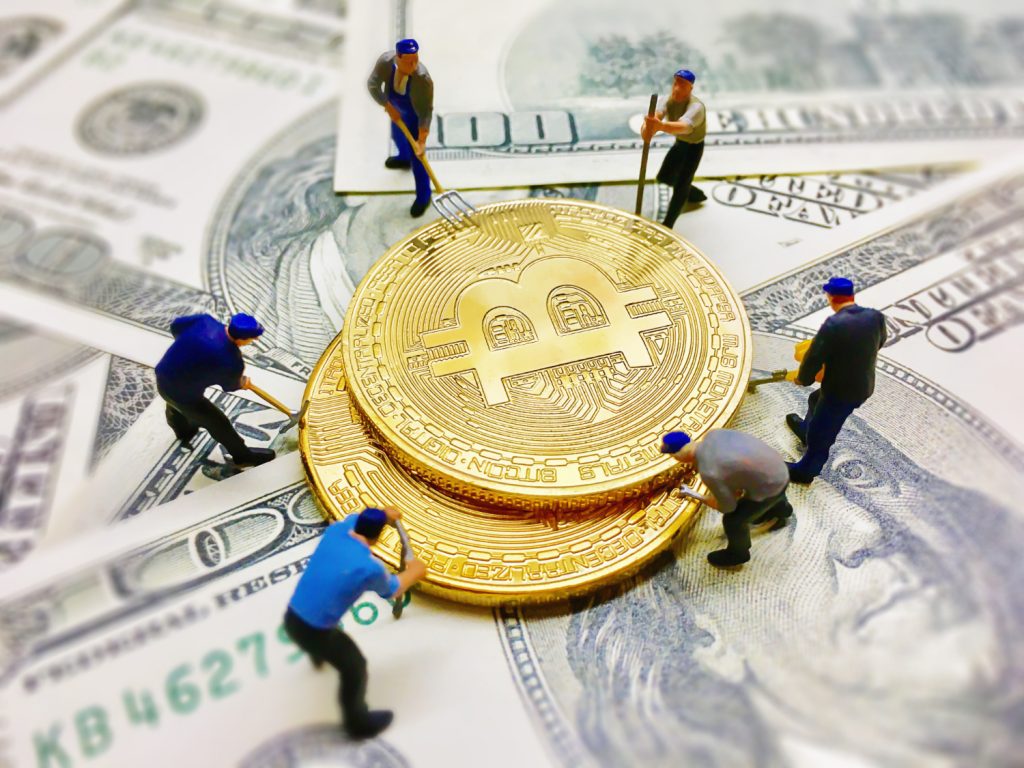
For the United States, crypto regulation represents both a challenge and an opportunity. If American regulators create balanced frameworks that encourage innovation while protecting investors, the U.S. could remain the center of global financial technology. This would likely reinforce the dollar’s influence because many crypto markets are already heavily connected to dollar-based assets and exchanges.
Stablecoins are particularly important in this context. Dollar-backed stablecoins dominate much of the global crypto economy because traders and businesses prefer assets linked to a stable and widely trusted currency. These digital dollars are used for trading, remittances, decentralized finance applications, and cross-border transactions. Proper regulation of stablecoins could strengthen confidence in digital dollar systems and expand their global reach.
However, aggressive restrictions could produce the opposite effect. If businesses face excessive uncertainty or regulatory pressure in the United States, they may relocate to countries with more supportive policies. Financial innovation often moves quickly, and jurisdictions that provide legal clarity can attract major investments, talent, and infrastructure development. Over time, this could weaken America’s leadership in digital finance.
Another important issue is decentralized finance, commonly known as DeFi. DeFi platforms operate through blockchain-based smart contracts that allow users to lend, borrow, trade, and invest without traditional banks. Regulators are struggling to determine how existing financial laws apply to these systems. The outcome of these debates may shape whether decentralized networks become integrated into regulated economies or evolve separately from traditional institutions.
International competition also plays a major role. Countries that develop efficient digital payment systems may gain economic influence by reducing transaction costs and bypassing older banking networks. This could gradually reduce dependence on the dollar in global trade. Nations facing U.S. sanctions are especially interested in alternative payment systems because cryptocurrencies and digital currencies may help them avoid restrictions imposed through traditional financial channels.
At the same time, regulation affects institutional adoption. Large banks, investment funds, and corporations are more likely to enter crypto markets when clear legal standards exist. Institutional involvement brings liquidity, stability, and legitimacy. Since many of these institutions operate within dollar-based systems, their participation could reinforce the dollar’s role in the digital economy.
The balance between innovation and control will therefore be critical. Excessive regulation may slow growth and reduce competitiveness, while insufficient oversight may undermine trust and financial stability. Governments must navigate this balance carefully because the structure of tomorrow’s financial system is still being shaped.
The Rise of Digital Currencies and the Challenge to the Dollar
The emergence of central bank digital currencies represents one of the most significant developments in global finance. Unlike decentralized cryptocurrencies, central bank digital currencies are issued and controlled by governments. They combine digital payment technology with state-backed monetary authority, creating new possibilities for trade, banking, and international settlements.
China has become one of the leading nations in this area through the development of the digital yuan. The Chinese government sees digital currency technology as an opportunity to modernize payments, increase financial oversight, and potentially expand international usage of its currency. If adopted widely in international trade, digital yuan systems could reduce dependence on the dollar in certain regions and industries.
The European Union is also exploring digital currency development while creating regulatory frameworks for crypto assets. European policymakers aim to encourage innovation without sacrificing financial stability or consumer protection. Their approach may offer an alternative model to both the American private-sector-driven system and China’s state-controlled strategy.
Emerging economies are watching these developments closely. Many countries face challenges related to inflation, limited banking access, and costly international transfers. Digital currencies and blockchain technology could improve efficiency and financial inclusion. Some governments may choose systems that reduce reliance on dollar-based banking networks, especially if they perceive geopolitical risks associated with U.S. financial dominance.
Despite these developments, replacing the dollar entirely would be extremely difficult. The dollar benefits from deep capital markets, strong institutions, legal protections, and global trust built over decades. Most cryptocurrencies remain too volatile to function as primary reserve assets, and many digital currency projects are still experimental.
However, the future may not require a complete replacement of the dollar for significant changes to occur. Even partial reductions in dollar usage could alter the balance of global financial power. If more trade agreements, payment systems, or reserve holdings shift toward alternative currencies or digital systems, the relative influence of the dollar could gradually decline.
Technology companies and financial institutions also influence this transition. Blockchain-based payment systems can reduce transaction times from days to seconds, lowering costs for businesses and consumers. If these systems become more efficient than traditional banking networks, they may attract widespread adoption regardless of national borders.
Privacy and surveillance concerns add another layer to the debate. Some people prefer decentralized cryptocurrencies because they offer greater financial independence and resistance to government control. Others support regulated digital currencies because they provide stability and legal protections. The competition between these models will influence how future financial systems evolve.
Ultimately, the rise of digital currencies is forcing governments to reconsider long-standing assumptions about money, sovereignty, and economic influence. Crypto regulation is no longer just about investor protection or taxation. It has become part of a broader struggle over the future architecture of global finance and the role of the dollar within it.
Conclusion
Crypto regulation is reshaping the future of global finance in ways that extend far beyond digital asset markets. The debate is no longer limited to whether cryptocurrencies should exist. Instead, governments, financial institutions, and global organizations are deciding how digital finance will operate and which currencies will dominate the next era of economic activity.
The U.S. dollar remains the most powerful currency in the world because of the economic strength, institutional trust, and global influence of the United States. Yet the rise of blockchain technology, stablecoins, decentralized finance, and central bank digital currencies has introduced new forms of competition that could gradually reshape international financial systems.
Regulation sits at the center of this transformation. Balanced and forward-looking policies could strengthen the dollar by integrating digital innovation into trusted financial structures. Regulated stablecoins, institutional adoption, and blockchain-based payment systems tied to the dollar may expand American financial influence into the digital age. In this scenario, the dollar would remain dominant not by resisting technological change but by adapting to it.
At the same time, poorly designed regulation could weaken America’s position by driving innovation to competing jurisdictions. Nations developing alternative payment systems and digital currencies may gain influence if they provide more efficient or accessible financial infrastructure. Over time, even gradual shifts away from dollar-based systems could reduce the geopolitical and economic advantages historically enjoyed by the United States.
The future financial order will likely be more digital, more decentralized, and more competitive than the system that emerged after the twentieth century. No single technology or policy will determine the outcome. Instead, the interaction between regulation, innovation, geopolitical strategy, and market adoption will shape the next chapter of global finance.
Crypto regulation therefore represents more than a legal or technical issue. It is a defining economic challenge that will influence how money moves across borders, how governments exercise financial power, and whether the dollar can maintain its dominant position in a rapidly changing world.