
 Daniel Scott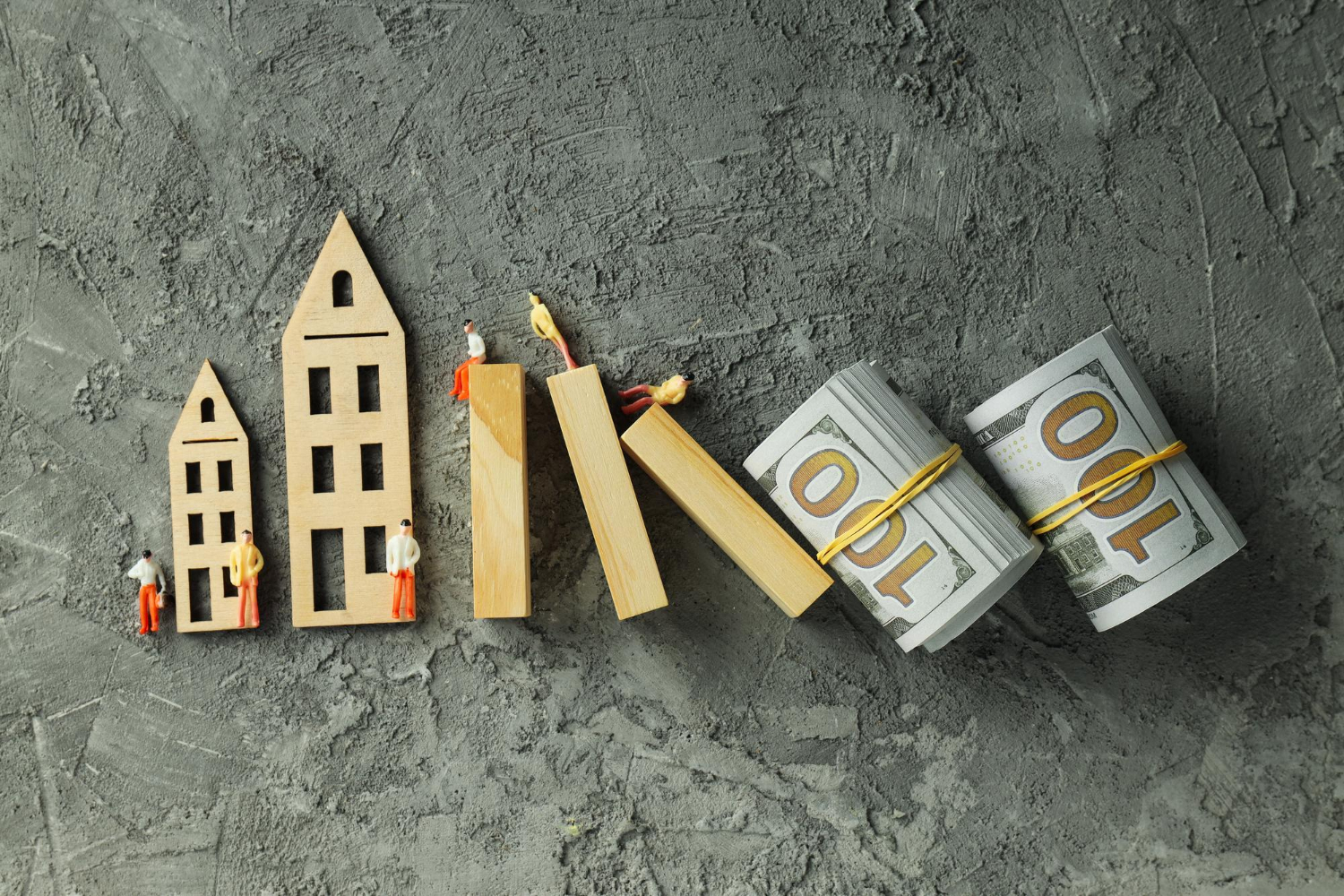
Introduction
Recessions are periods of economic contraction defined by declining GDP, reduced consumer spending, shrinking business investment, and rising unemployment. While every sector of the economy experiences some level of pressure during these downturns, the real estate industry often becomes one of the most closely watched. Property values, construction activity, rental demand, lending conditions, and buyer–seller behavior all undergo changes, some gradual and some sudden. Understanding how recessions influence real estate markets is not only important for investors seeking opportunities, but also for homeowners, renters, policymakers, and financial institutions.
Real estate plays a significant role in both personal wealth and national economic stability. When home prices fall or rise sharply, consumer confidence can shift with them. Construction slowdowns can impact employment, while changes in lending rules can influence who is able to purchase property. Recessions do not affect all real estate segments equally, and the severity of impact varies across regions and property types. Residential real estate, commercial real estate, industrial space, and rental markets may respond in different ways based on macroeconomic conditions, demographic trends, and local dynamics.
In this article, we will explore three major ways that recessions affect real estate markets, focusing on property values, market behavior, lending conditions, investment trends, and long-term economic implications. By understanding these patterns, investors and policy makers can better prepare for downturns while identifying potential opportunities for long-term growth.
Falling Home Prices, Shifting Buyer Behavior, and Market Corrections
One of the most significant and visible effects of a recession on real estate markets is the shift in home prices and buyer behavior. During economic downturns, declining consumer confidence and rising unemployment lead to reduced demand for home purchases. People become more cautious about major financial commitments, often preferring to delay buying homes until economic conditions stabilize. This reduction in demand typically places downward pressure on property values.
When fewer buyers are active, homes stay on the market longer, and sellers often respond by reducing listing prices. In some cases, price corrections can be moderate and temporary; in others—particularly when a recession is accompanied by a credit crisis—home values can decline sharply, as seen in the 2008 global financial crisis. During that downturn, real estate values plummeted because of a combination of risky lending practices, mortgage defaults, and oversupply. Many homeowners found themselves “underwater,” meaning they owed more on their mortgage than their property was worth.
Buyer behavior changes dramatically in a recession. Potential homeowners may shift their priorities, choosing smaller, more affordable properties or waiting for prices to decline further. First-time buyers, who often rely on stable employment and predictable income, can be particularly hesitant. Investors also become more cautious, focusing on lower-risk opportunities or demanding larger discounts before making a purchase.
Interestingly, while buyer demand decreases, some individuals view downturns as opportunities. Cash buyers—often investors—become more active when property prices fall, knowing that recessions can present rare chances to scoop up undervalued real estate. This can contribute to a shift in market composition, where institutional buyers grow their presence, especially in markets with high foreclosure rates.
Foreclosures often rise during recessions due to layoffs, reduced incomes, or higher loan burdens. Distressed sales create additional downward pressure on home prices. When banks repossess homes and sell them quickly, they may list them below market value, contributing to a cycle where lower prices become the new norm across neighborhoods. While this situation is difficult for property owners, it also creates opportunities for investors to purchase properties at significant discounts.
Ultimately, recessions tend to drive real estate markets toward correction. If home prices have become inflated during a preceding period of economic expansion, a recession often brings them back to more sustainable levels. These corrections, although painful in the short term, can help build a healthier foundation for long-term market recovery.
Tightening Credit Conditions and Shifts in Lending Practices
Another major way recessions influence real estate markets is through tightening credit conditions. Lending plays a central role in property purchases, and banks often become more risk-averse during periods of economic instability. Stricter credit standards mean fewer people qualify for mortgages, and those who do may face higher interest rates, larger down payment requirements, or more extensive documentation.
In a recession, banks aim to protect themselves from defaults. They reduce exposure to high-risk borrowers and prioritize lending to individuals with stronger credit histories, stable incomes, and lower debt-to-income ratios. This limits the pool of eligible buyers, slowing market activity further. Even buyers who remain financially stable may struggle to obtain favorable mortgage terms compared to those available during economic booms.

Refinancing activity also declines when credit tightens. Homeowners who wish to refinance to secure better interest rates may not qualify under stricter rules. This affects disposable income, as households lose an opportunity to reduce their monthly mortgage payments. For those facing financial distress, limited refinancing options can lead to higher rates of delinquency or foreclosure.
Commercial real estate lending becomes even more constrained during recessions. Banks scrutinize business performance, rental income, and occupancy trends more closely. If retail stores, hotels, or offices experience declining revenue or high vacancy rates—as often occurs during economic downturns—lenders may reduce financing for new developments or restrict refinancing for existing properties. Developers can face delays or cancellations of major projects due to funding shortages.
In addition, construction loans become harder to obtain because they carry higher risk. Developers rely on projected demand to justify new building projects, but in a recession, that demand becomes uncertain. As a result, construction activity slows, reducing supply entering the market. While this may seem negative, it can help stabilize prices in the long term by preventing excess inventory from accumulating during periods of low demand.
Government intervention often plays a role in easing credit conditions during severe recessions. Central banks may lower interest rates to encourage borrowing, while governments introduce stimulus programs to support homeowners, tenants, and developers. For example, mortgage forbearance programs can temporarily reduce the financial burden on homeowners, preventing a surge in foreclosures. Incentives for first-time buyers or tax breaks for real estate investments may be introduced to stimulate demand.
While these measures cannot entirely offset the impact of tightening credit, they can ease the severity of market contractions. Over time, as the economy stabilizes and unemployment declines, lending standards gradually loosen, allowing market activity to recover.
Changing Dynamics in Rental Markets, Commercial Real Estate, and Investor Strategy
Recessions do not impact residential and commercial real estate equally, nor do they affect all regions and property types in the same way. However, several trends commonly emerge across rental markets, commercial sectors, and investment strategies.
Rental Market Dynamics
During a recession, rental demand often increases. When buying a home becomes difficult due to tight credit or job uncertainty, more people choose to rent. This can lead to higher occupancy rates in rental properties, particularly in affordable housing segments. In some markets, rents may stabilize or even rise slightly due to increased demand.
However, rental markets are not immune to recessionary pressures. When unemployment rises dramatically, tenants may struggle to pay rent, leading to higher delinquency rates. Landlords may be forced to offer concessions such as reduced rent, free months, or flexible lease terms to retain tenants. Luxury rental markets often experience more volatility than budget-friendly segments, as renters look to cut expenses during difficult economic times.
If a recession is accompanied by widespread job losses in urban centers, demand may shift from city apartments to more affordable suburban or rural rentals. This trend can reshape demographic patterns, influencing long-term development and housing policies.
Commercial Real Estate Trends
Commercial real estate tends to experience more severe downturns than residential real estate during recessions. The performance of office buildings, retail centers, hotels, and industrial properties varies depending on the underlying economic conditions and long-term structural changes.
- Office spaces may see rising vacancy rates as companies downsize, shift to remote work, or delay expansion. Lower demand often leads to reduced rents and increased incentives for tenants.
- Retail properties face challenges when consumer spending declines. Recessions accelerate the closure of underperforming stores, and in recent years, the rise of e-commerce has compounded these challenges.
- Hotels and hospitality suffer significantly during recessions, especially when travel demand declines. Occupancy rates and room prices drop, reducing profitability for hotel owners.
- Industrial and logistics properties often perform better than other commercial sectors, particularly if e-commerce or essential goods drive demand for warehouse space.
The overall performance of commercial real estate during a recession depends heavily on structural trends and the nature of the downturn. For example, recessions driven by financial crises may impact all sectors broadly, while downturns caused by pandemics or supply-chain disruptions may affect commercial segments unevenly.
Investor Strategies and Market Opportunities
Recessions reshape investor strategies. Some investors become more conservative, focusing on stable, income-producing properties such as multi-family residential units or industrial spaces. Others adopt a more opportunistic approach, seeking distressed assets that can be acquired at significant discounts and repositioned for long-term gains.
Cash investors tend to thrive during recessions because they can close deals without relying on restrictive lending conditions. Real estate investment trusts (REITs) also undergo valuation shifts during economic downturns, creating opportunities for investors who understand sector-specific risks.
Investors may favor regions with strong job markets, diversified economies, and stable population growth. Properties in areas heavily reliant on a single industry—such as tourism or manufacturing—may experience steeper declines.
Long-term investors often view recessions not as threats but as opportunities to purchase undervalued properties. Historically, many of the strongest real estate returns have been generated by investors who acquired assets during downturns and held them through recovery cycles.
Conclusion
Recessions exert significant influence on real estate markets by affecting home prices, buyer behavior, lending conditions, construction activity, rental dynamics, and commercial property performance. While downturns create challenges—from falling property values to tighter credit and increased financial distress—they also establish conditions for market correction and long-term opportunity.
Understanding how recessions impact various segments of real estate helps investors, homeowners, tenants, and policymakers make more informed decisions. Residential markets may experience price declines but often recover as economic conditions stabilize. Commercial real estate faces complex challenges, but specific sectors such as industrial space may remain resilient. Rental markets typically see increased demand, yet they too must contend with economic pressures.
Ultimately, recessions are part of the natural economic cycle. While they may introduce uncertainty and short-term hardship, they also pave the way for healthier, more balanced markets. Those who understand these patterns can better navigate downturns, positioning themselves for stability during tough times and growth during eventual recoveries.






