
 Daniel Scott
Introduction
For decades, Automated Teller Machines (ATMs) have been one of the most important tools in modern banking. They provide customers with convenient access to cash, account information, fund transfers, and other financial services without requiring a visit to a bank branch. While ATMs have continuously evolved over the years, the latest wave of banking technology is transforming them into faster, smarter, and more secure financial service points.
Customers today expect speed in every digital interaction. Mobile banking apps process payments in seconds, online purchases are completed instantly, and digital wallets allow tap-and-go transactions. Naturally, these expectations have extended to ATM services as well. Long waiting times, slow authentication methods, and outdated transaction processing no longer meet the needs of modern consumers. Financial institutions have recognized this shift and are investing heavily in technologies designed to significantly reduce ATM transaction times.
Several innovations are driving this transformation. Contactless authentication, biometric verification, artificial intelligence, cloud-based banking systems, real-time payment infrastructure, improved hardware, edge computing, and advanced networking technologies are all working together to create a smoother ATM experience. Instead of relying on multiple manual verification steps, customers can now complete transactions within seconds using secure digital credentials.
The goal is not simply to make ATM transactions faster but also safer and more reliable. Banks understand that speed should never compromise security. Therefore, many of the newest technologies combine rapid processing with sophisticated fraud detection systems that monitor every transaction in real time.
As banking becomes increasingly digital, ATMs are evolving from simple cash machines into intelligent self-service banking centers. They are capable of handling a wider variety of financial services while maintaining high performance and security standards. These improvements benefit customers, banks, and the overall financial ecosystem by reducing operational costs, increasing customer satisfaction, and improving service availability.
The rapid pace of innovation suggests that ATM technology will continue advancing for years to come. Faster processing speeds represent only one aspect of a much larger digital transformation reshaping the banking industry.
Technologies Driving Faster ATM Transactions
The newest generation of ATMs relies on several advanced technologies that work together to reduce processing times while improving overall efficiency.
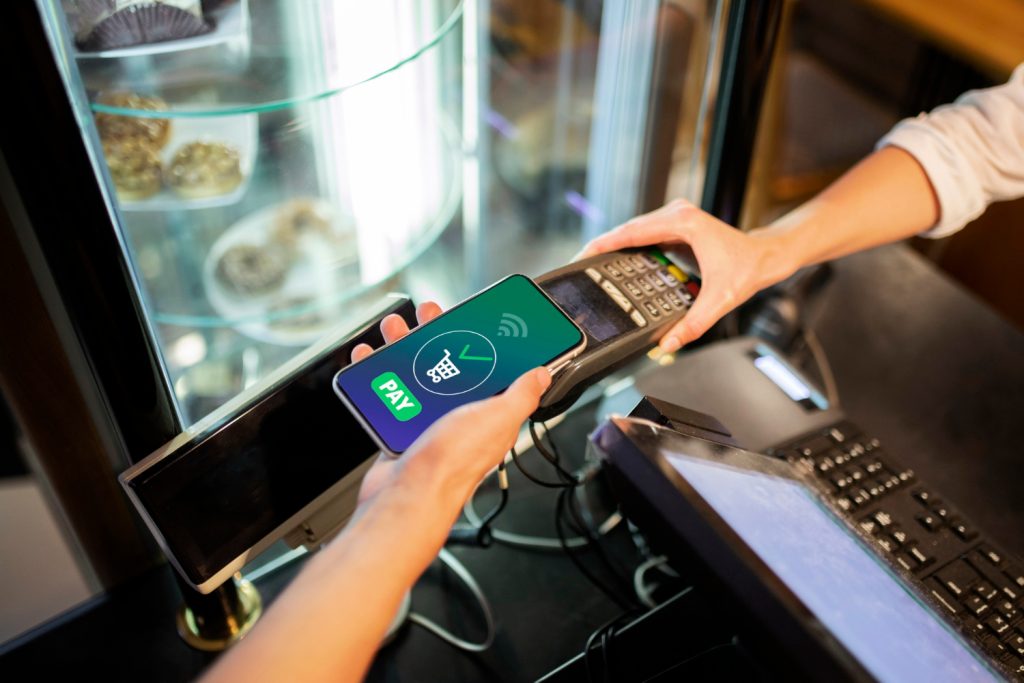
One of the most significant developments is contactless authentication. Instead of inserting a physical debit card into the machine, customers can simply tap a contactless bank card or use their smartphone equipped with Near Field Communication (NFC) technology. The ATM instantly recognizes the device, allowing authentication to begin almost immediately. Eliminating the need to insert and remove cards saves valuable time during every transaction.
Cardless ATM withdrawals have also become increasingly popular. Customers generate secure withdrawal codes through their mobile banking applications before arriving at the ATM. Upon reaching the machine, they simply scan a QR code or enter a temporary authorization code. Since account verification occurs in advance through the banking app, the withdrawal process becomes much faster.
Biometric authentication is another major advancement. Traditional PIN entry requires customers to remember and manually enter their security codes. Modern ATMs equipped with fingerprint scanners, facial recognition cameras, or palm vein authentication systems can verify customer identity within seconds. These technologies not only improve convenience but also strengthen security by making unauthorized access significantly more difficult.
Artificial Intelligence plays an important role behind the scenes. AI-powered systems continuously monitor ATM operations, optimize transaction routing, predict maintenance needs, and detect unusual activity. Intelligent software can automatically prioritize transaction requests and reduce delays caused by overloaded processing systems.
Cloud computing has dramatically changed how banks process ATM transactions. Earlier ATM systems relied heavily on local servers or centralized infrastructure that could create bottlenecks during peak usage periods. Cloud-based banking platforms distribute computing resources more efficiently, allowing transactions to be processed much faster while maintaining high availability.
Real-time banking systems further reduce waiting times by immediately updating account balances and transaction records. Customers no longer experience delays caused by overnight batch processing. Whether withdrawing cash or transferring funds, account information reflects the latest activity almost instantly.
Improved ATM hardware also contributes to faster performance. Modern cash dispensers count currency more efficiently, high-speed receipt printers reduce waiting time, and faster processors handle software instructions with minimal delay. Solid-state storage devices replace slower hard drives, allowing ATM operating systems to launch and respond more quickly.
Edge computing represents another emerging innovation. Instead of sending every processing request to distant data centers, some calculations occur locally near the ATM itself. This reduces communication delays and enables quicker responses, particularly in busy metropolitan areas where thousands of transactions occur simultaneously.
Together, these technologies create a highly optimized ATM ecosystem capable of delivering rapid, reliable financial services with minimal waiting time.
Benefits for Customers, Banks, and Financial Institutions
The advantages of faster ATM technology extend far beyond shorter waiting times. Every stakeholder within the banking ecosystem benefits from improved transaction efficiency.
For customers, convenience is the most noticeable improvement. Busy professionals, travelers, students, and families all appreciate completing banking tasks quickly without standing in long queues. Reduced transaction times also improve accessibility during peak banking hours when many people need immediate access to cash or account services.
Faster authentication methods reduce frustration. Customers no longer need to repeatedly insert cards, wait for slow system responses, or experience delays while account verification takes place. Digital authentication creates a smoother and more intuitive banking experience.
Enhanced security provides additional confidence. Modern authentication technologies such as biometrics, encrypted QR codes, tokenized credentials, and AI-powered fraud monitoring reduce the likelihood of unauthorized transactions. Customers gain both speed and stronger protection against identity theft.
Banks benefit through improved operational efficiency. Faster transactions allow each ATM to serve more customers within the same period, increasing overall productivity without adding more machines. This improves return on infrastructure investments while reducing congestion at busy locations.
Reduced maintenance costs also contribute to operational savings. Artificial Intelligence can predict hardware failures before they occur, allowing preventive maintenance rather than expensive emergency repairs. This minimizes downtime and keeps ATM networks functioning consistently.
Cloud infrastructure enables banks to scale services more efficiently. During holidays, salary payment periods, or shopping seasons, transaction volumes often increase dramatically. Cloud-based systems automatically allocate additional computing resources, ensuring customers continue receiving fast service even during peak demand.
Financial institutions also gain valuable analytical insights. Advanced ATM software collects anonymous operational data that helps banks understand customer behavior, optimize ATM placement, improve cash replenishment schedules, and identify areas where additional services may be beneficial.
Environmental benefits should not be overlooked. Faster ATM operations reduce electricity consumption per transaction by shortening machine operating times. Digital receipts further decrease paper usage while supporting environmentally responsible banking practices.
Retail businesses also experience indirect benefits. Customers who withdraw cash more quickly spend less time waiting, improving overall shopping experiences in malls, supermarkets, airports, transportation hubs, and commercial districts where ATMs are commonly located.
Governments and regulators benefit as well because faster, digitally monitored ATM systems improve financial transparency while strengthening compliance with anti-money laundering and fraud prevention regulations through sophisticated monitoring technologies.
Ultimately, improved ATM performance strengthens public trust in financial institutions by providing reliable, efficient, and secure banking services.
Challenges, Security Considerations, and Future Innovations
Although modern ATM technology offers substantial advantages, implementing these innovations presents several challenges that banks must carefully address.
Infrastructure modernization requires significant financial investment. Many banks operate thousands of ATMs across multiple regions, and upgrading every machine involves replacing hardware, updating software, improving network connectivity, and training technical staff. These projects often require careful planning over several years.
Cybersecurity remains a top priority. As ATMs become increasingly connected to cloud services and mobile applications, they present larger digital attack surfaces for cybercriminals. Financial institutions must continuously strengthen encryption, multi-factor authentication, endpoint protection, and network monitoring to defend against evolving threats.
Biometric systems introduce privacy considerations. Banks must ensure that fingerprint, facial recognition, or other biometric data is securely stored using advanced encryption techniques. Customers also expect transparency regarding how their personal information is collected, processed, and protected.
Internet connectivity affects performance in some regions. Rural communities or developing areas may experience slower communication networks, limiting the effectiveness of cloud-based processing systems. Banks must balance technological innovation with reliable service availability across diverse geographic locations.
Customer education represents another challenge. While younger consumers quickly adapt to mobile authentication and biometric verification, some users remain more comfortable using traditional ATM cards and PINs. Banks must provide clear guidance while offering multiple authentication options to accommodate different preferences.
Accessibility remains equally important. Faster technology should never create barriers for elderly customers or individuals with disabilities. Voice guidance, tactile keypads, adjustable screen interfaces, wheelchair accessibility, and multilingual support continue to play essential roles in inclusive ATM design.
Looking ahead, several emerging technologies promise even greater improvements.
Artificial Intelligence will become more sophisticated in predicting customer needs, personalizing ATM interfaces, and detecting fraudulent behavior before transactions are completed.
5G connectivity will reduce communication delays between ATMs and banking systems, enabling nearly instantaneous transaction processing even during periods of heavy network usage.
Blockchain technology may eventually improve transaction verification for certain financial services by providing secure and transparent recordkeeping, although widespread ATM integration will require additional development and regulatory support.
Machine learning algorithms will optimize cash management by accurately forecasting withdrawal patterns, reducing both cash shortages and unnecessary replenishment costs.
Voice-enabled ATMs may provide hands-free interaction for customers seeking greater convenience or accessibility, particularly when combined with advanced speech recognition technologies.
As these innovations mature, ATM experiences will become increasingly seamless while maintaining the high security standards expected within the global banking industry.
Conclusion
The latest banking technologies are fundamentally transforming ATM transactions by making them faster, smarter, and more secure than ever before. What was once a relatively simple cash withdrawal machine has evolved into an intelligent self-service banking platform capable of handling complex financial services with remarkable efficiency.
Innovations such as contactless authentication, biometric verification, artificial intelligence, cloud computing, real-time payment infrastructure, edge computing, and advanced networking have significantly reduced transaction processing times. Customers benefit from shorter waiting periods, smoother authentication, stronger security, and greater convenience in their daily financial activities.
Banks gain improved operational efficiency, lower maintenance costs, enhanced fraud detection capabilities, and valuable business insights through advanced analytics. These improvements allow financial institutions to serve growing customer demands while maintaining high service quality and controlling operating expenses.
Despite challenges related to infrastructure investment, cybersecurity, privacy protection, and customer education, the banking industry continues to invest aggressively in ATM modernization. Financial institutions recognize that speed, reliability, and security are essential elements of customer satisfaction in an increasingly digital world.
Future developments involving artificial intelligence, 5G communication, machine learning, blockchain applications, and enhanced biometric systems will likely accelerate this transformation even further. ATM transactions may eventually become nearly instantaneous while offering highly personalized and intelligent financial services.
As consumer expectations continue evolving, the future of ATM banking will be defined by seamless digital experiences that combine convenience with advanced protection. Faster ATM technology represents more than a technical upgrade—it reflects the broader evolution of banking toward a connected, intelligent, and customer-focused financial ecosystem that is prepared to meet the demands of tomorrow’s digital economy.