
 Daniel Scott
Introduction
The Strait of Hormuz, a narrow waterway located between the Persian Gulf and the Gulf of Oman, has long been considered one of the most strategically important chokepoints in global energy trade. Roughly one-fifth of the world’s oil supply passes through this narrow corridor every day, making it a critical artery for global energy markets. Any disruption or perceived threat to shipping in this region can immediately trigger volatility in global oil prices. In recent times, renewed geopolitical tensions and security concerns surrounding the Strait of Hormuz have sparked fears of potential supply disruptions, leading to a sharp rally in oil prices across international markets.
The crisis surrounding the Strait of Hormuz is not merely a regional issue; it has global economic implications. Oil-importing nations worry about rising energy costs, while exporting countries monitor the situation for potential market opportunities. Financial markets, shipping companies, energy traders, and policymakers all closely watch developments in the region. As tensions escalate, even the possibility of limited disruptions can cause traders to price in risk premiums, driving crude oil prices higher.
The current surge in oil prices reflects both real supply concerns and speculative trading based on geopolitical uncertainty. While the physical flow of oil may not always be immediately affected, the fear of disruption is enough to trigger market reactions. Understanding the dynamics behind the Strait of Hormuz crisis requires examining the region’s strategic importance, the causes of rising tensions, the market’s response, the broader economic implications, and the possible future scenarios.
Strategic Importance of the Strait of Hormuz in Global Energy Trade
The Strait of Hormuz plays an unparalleled role in global oil transportation. The narrow channel, which is only about 33 kilometers wide at its narrowest point, connects the oil-rich Persian Gulf to international waters. Countries such as Saudi Arabia, Iraq, Kuwait, the United Arab Emirates, and Iran rely heavily on this route to export their crude oil to global markets.
On average, between 18 and 20 million barrels of oil pass through the Strait of Hormuz daily. This represents roughly 20 percent of global oil consumption and nearly one-third of the world’s seaborne oil trade. In addition to crude oil, large volumes of liquefied natural gas (LNG) from Qatar also transit through this critical passage.
Because of its importance, the strait has often been described as the most vital oil transit chokepoint in the world. Any disruption to traffic in this area could significantly affect global energy supplies. Even minor incidents such as tanker seizures, naval confrontations, or drone attacks can trigger immediate concerns among traders and governments.
The geographic layout of the Strait of Hormuz further complicates the situation. Shipping lanes are narrow and heavily monitored, making them vulnerable to military activity or blockades. Iran, which controls the northern side of the strait, has often warned that it could restrict passage in response to economic sanctions or military pressure. While a complete blockade is considered unlikely due to international naval presence, the threat alone can cause panic in energy markets.
In addition, the heavy dependence on the Strait of Hormuz means that alternatives are limited. While some countries have developed pipelines that bypass the strait, these routes can only handle a fraction of the oil normally transported by tankers. As a result, the global economy remains heavily reliant on uninterrupted flows through this strategic corridor.
Rising Geopolitical Tensions and the Causes of the Crisis
The recent Strait of Hormuz crisis has been fueled by a combination of geopolitical tensions, military confrontations, and regional rivalries. The Middle East has long been a region marked by political instability and competing interests among global powers. These tensions often manifest in ways that directly impact maritime security in the Persian Gulf.
One of the key drivers of the crisis has been the ongoing confrontation between Iran and Western powers, particularly the United States and its allies. Economic sanctions imposed on Iran have intensified pressure on the country’s economy. In response, Iranian officials have occasionally threatened to disrupt shipping in the Strait of Hormuz if their oil exports are restricted.
Another factor contributing to the crisis is the broader rivalry between Iran and Gulf Arab states such as Saudi Arabia and the United Arab Emirates. These regional tensions have led to incidents involving oil tankers, including seizures, drone strikes, and sabotage operations. Each of these events increases uncertainty in global energy markets.
Naval deployments in the region have also heightened the risk of confrontation. The presence of multiple military forces operating in close proximity increases the chances of miscalculations or accidental clashes. Even small-scale incidents can quickly escalate, particularly when geopolitical tensions are already high.
Additionally, conflicts in nearby regions, including Yemen and Iraq, contribute to instability in the Persian Gulf. Militant groups operating in these areas have occasionally targeted oil infrastructure or shipping routes, further raising concerns about supply security.
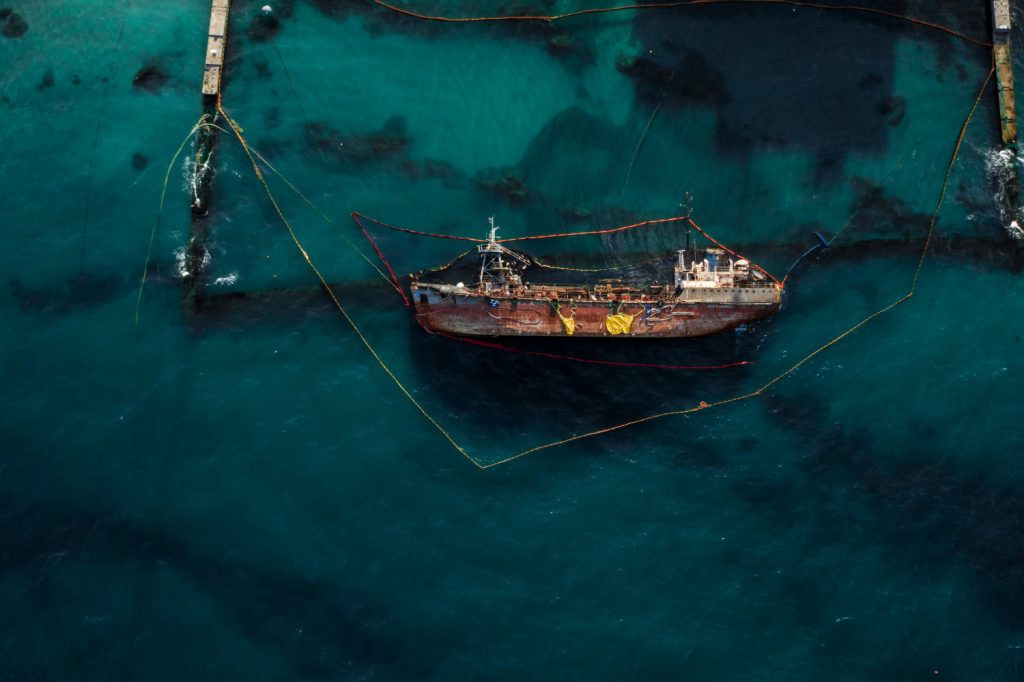
The combination of these factors has created a fragile environment in which even minor incidents can trigger major market reactions. Traders and investors closely monitor developments, and any sign of escalation immediately affects oil price expectations.
Immediate Market Reaction and Oil Price Rally
The most visible consequence of the Strait of Hormuz crisis has been the sharp rally in global oil prices. Energy markets tend to react quickly to geopolitical tensions, particularly when they involve critical supply routes. As soon as news of potential disruptions emerges, traders often begin pricing in a risk premium.
Oil prices can rise rapidly due to both physical supply concerns and speculative trading. When market participants fear that shipping routes could be disrupted, they anticipate potential shortages in the near future. This expectation leads to increased buying activity in crude oil futures markets.
The impact of the crisis is not limited to crude oil alone. Prices for refined products such as gasoline, diesel, and jet fuel also tend to rise. Energy companies, airlines, and shipping firms closely track these developments because higher fuel costs can significantly affect their operations.
Financial markets also react to rising oil prices. Energy company stocks often experience gains during oil price rallies, while sectors that depend heavily on fuel costs may face pressure. Inflation expectations can increase as well, since higher energy prices often lead to broader cost increases across the economy.
Another factor amplifying the price rally is the role of algorithmic and speculative trading. Many hedge funds and institutional investors use automated trading systems that react to geopolitical headlines. When tensions rise in the Strait of Hormuz, these systems often trigger large buying orders, accelerating the price surge.
While the physical supply of oil may remain largely unchanged in the early stages of the crisis, the psychological impact on markets can be significant. The perception of risk alone is enough to move prices sharply.
Global Economic and Political Implications
The consequences of rising oil prices extend far beyond the energy sector. Since oil is a fundamental input for transportation, manufacturing, and power generation, price increases can affect the entire global economy.
For oil-importing countries, higher crude prices translate into rising energy costs and inflationary pressure. Nations such as India, Japan, and many European countries rely heavily on imported oil, making them particularly vulnerable to supply disruptions in the Strait of Hormuz. Higher energy costs can weaken economic growth by increasing production expenses and reducing consumer purchasing power.
Developing economies often feel the impact most strongly because they have less flexibility to absorb rising fuel costs. Governments may be forced to increase fuel subsidies or adjust fiscal policies to manage inflation.
On the other hand, oil-exporting nations may benefit from higher prices in the short term. Countries such as Saudi Arabia, Russia, and other major producers can generate increased revenues when crude prices rise. However, prolonged instability can also create uncertainty for exporters, especially if shipping routes become unsafe.
The crisis also has geopolitical implications. Major powers such as the United States, China, and European nations have strategic interests in maintaining stability in the Persian Gulf. Many countries maintain naval forces in the region to ensure the security of maritime trade routes.
Furthermore, the Strait of Hormuz crisis highlights the global economy’s continued dependence on fossil fuels. Despite growing investments in renewable energy, oil remains a central component of the world’s energy system. As long as this dependence continues, disruptions in key supply routes will have far-reaching consequences.
Future Outlook and Possible Scenarios
The future trajectory of the Strait of Hormuz crisis will depend on several factors, including diplomatic efforts, military developments, and global energy market dynamics. While tensions may eventually ease through negotiations, the underlying geopolitical issues in the region are unlikely to disappear completely.
One possible scenario is de-escalation through diplomatic channels. International mediation and negotiations could help reduce tensions between rival powers and restore confidence in the safety of shipping routes. In such a case, oil prices may gradually stabilize as the perceived risk premium declines.
Another possibility is prolonged tension without direct conflict. In this scenario, periodic incidents and political confrontations could continue to influence energy markets. Oil prices may remain volatile as traders react to each new development.
A more severe scenario would involve direct military confrontation or significant disruption to shipping in the strait. Such an event could lead to a dramatic spike in oil prices, potentially pushing them to levels not seen in many years. Global energy markets would face severe supply shortages, and governments might release strategic petroleum reserves to stabilize prices.
The crisis could also accelerate long-term changes in the global energy landscape. Countries may intensify efforts to diversify energy sources, invest in renewable technologies, and develop alternative shipping routes. Reducing dependence on a single chokepoint could become a strategic priority for many nations.
Energy companies and governments are already exploring ways to improve supply resilience. Strategic reserves, diversified supply chains, and infrastructure investments may help mitigate future disruptions.
Conclusion
The Strait of Hormuz crisis serves as a powerful reminder of the fragile balance that underpins global energy markets. As one of the most critical oil transit chokepoints in the world, the strait plays a vital role in ensuring the steady flow of energy resources to international markets. Any threat to this narrow waterway can quickly ripple through the global economy, triggering sharp oil price movements and widespread uncertainty.
The recent rally in oil prices reflects both genuine supply concerns and market reactions to geopolitical risk. Rising tensions between regional powers, military deployments, and maritime security incidents have heightened fears of potential disruptions. Even when actual supply flows remain unchanged, the perception of risk can significantly influence trading behavior and price dynamics.
Beyond the immediate market response, the crisis underscores broader challenges facing the global energy system. Heavy reliance on a few critical transit routes makes energy markets vulnerable to geopolitical tensions. For many countries, especially those dependent on imported oil, maintaining stable supply chains is a strategic priority.
Looking ahead, the resolution of the Strait of Hormuz crisis will depend largely on diplomatic efforts and regional stability. While short-term tensions may eventually ease, the strategic importance of the region ensures that it will remain a focal point of global attention. The crisis may also encourage nations to accelerate energy diversification and invest in alternative technologies to reduce dependence on vulnerable supply routes.
Ultimately, the Strait of Hormuz will continue to shape the dynamics of global oil markets for years to come. As geopolitical developments unfold, energy traders, policymakers, and governments around the world will closely monitor the situation, knowing that stability in this narrow waterway is essential for the smooth functioning of the global economy.