 Daniel Scott

Introduction
The United States economy continues to face a complicated economic environment as rising prices, persistent inflationary pressures, and changing consumer behavior create challenges for sustainable growth. Although the country has demonstrated considerable economic resilience in recent years, the increasing cost of everyday goods and services is putting pressure on household budgets. Consumers are becoming more cautious about their spending decisions, businesses are facing changing demand patterns, and policymakers are navigating the difficult task of maintaining economic stability without weakening growth.
Consumer spending plays a central role in the American economy. Household purchases of food, housing, transportation, healthcare, entertainment, clothing, and other services account for a substantial share of overall economic activity. When consumers feel financially secure, they generally spend more, supporting businesses, employment, investment, and production. However, when prices rise faster than household incomes, purchasing power declines. Families may begin reducing discretionary purchases, delaying major expenses, or relying more heavily on savings and credit to maintain their standard of living.
This situation creates a potential obstacle for economic expansion. Even when employment remains relatively stable and wages continue increasing, households may not experience meaningful financial improvement if essential expenses consume a larger portion of their earnings. Higher housing costs, grocery bills, insurance premiums, utility expenses, and transportation prices can leave families with less money for restaurants, travel, electronics, home improvements, and other nonessential purchases.
The consequences extend beyond individual households. Businesses that depend on consumer demand may experience slower sales, particularly in industries where customers can easily postpone purchases. Retailers, restaurants, entertainment companies, travel providers, and automobile manufacturers are especially sensitive to changes in household spending patterns. If weaker demand becomes widespread, companies may reconsider hiring plans, reduce investment, or adjust prices and operating costs.
The Federal Reserve also faces a challenging environment. Keeping inflation under control is essential for protecting purchasing power, but monetary policies designed to reduce price pressures can increase borrowing costs and slow economic activity. Higher interest rates affect mortgages, automobile financing, credit cards, business loans, and investment decisions.
The central question for the American economy is whether household spending can remain strong enough to support growth while families continue dealing with elevated living expenses. The answer will depend on wage developments, inflation trends, employment conditions, borrowing costs, business confidence, and the broader financial environment.
Rising Prices Continue to Pressure American Households
The increasing cost of living remains one of the most important concerns for American households. While inflation can moderate from its earlier peaks, this does not necessarily mean that consumers experience lower prices. In many cases, it simply means that prices are increasing more slowly than before. Families that have already experienced substantial increases in essential expenses may continue facing a financial burden even when the inflation rate improves.
Food is one of the most visible examples of this pressure. Grocery purchases are unavoidable, and households cannot completely eliminate spending on essential food products. When prices of meat, dairy products, vegetables, packaged foods, and other supermarket items rise, consumers often respond by changing their shopping habits. Some switch to less expensive brands, purchase products in bulk, reduce restaurant visits, or choose cheaper alternatives.
Housing represents another major financial challenge. Rent, property insurance, maintenance expenses, and mortgage payments can absorb a significant share of household income. In areas where housing supply remains limited, renters may find it difficult to secure affordable accommodation. Existing homeowners can also face rising expenses associated with insurance, repairs, property taxes, and utilities.
Transportation costs add further pressure. Gasoline prices can fluctuate because of global energy markets, geopolitical developments, refinery conditions, and seasonal demand. Automobile insurance, vehicle maintenance, replacement parts, and financing expenses also influence household budgets. For people who depend on personal vehicles to commute, these expenses are often difficult to avoid.
Healthcare costs create another source of financial uncertainty. Insurance premiums, prescription medications, medical appointments, and other healthcare services can become expensive, particularly for households with limited savings or inadequate coverage. Even families with health insurance may face substantial out-of-pocket expenses.
Higher prices also affect lower-income households disproportionately. These families generally spend a larger percentage of their earnings on necessities, leaving less room to absorb unexpected increases. Wealthier households may have greater financial flexibility, accumulated savings, and investment income, while families with limited resources often need to make immediate spending adjustments.
The situation can also create differences between generations. Younger Americans entering the housing market may struggle with expensive rents, high home prices, and student loan obligations. Families raising children face additional expenses related to education, childcare, healthcare, and transportation. Older Americans living on fixed incomes may find it difficult to adjust when essential costs increase faster than their retirement income.
Another important factor is the psychological impact of higher prices. Consumer confidence does not depend exclusively on economic statistics. It is also influenced by what households experience when paying bills, shopping for groceries, or renewing insurance policies. Even when employment conditions appear relatively healthy, persistent financial pressure can create uncertainty about future economic conditions.
Consequently, consumers may become more conservative with their money. They might postpone purchasing furniture, upgrading household appliances, replacing vehicles, or planning expensive vacations. These decisions can gradually affect business revenues and overall economic activity.
Consumer Spending Weakness Creates Challenges for Economic Growth
Consumer spending is one of the strongest engines of economic activity in the United States. Household demand supports a broad network of businesses, suppliers, manufacturers, transportation companies, and service providers. When consumers reduce purchases, the effects can spread throughout the economy.
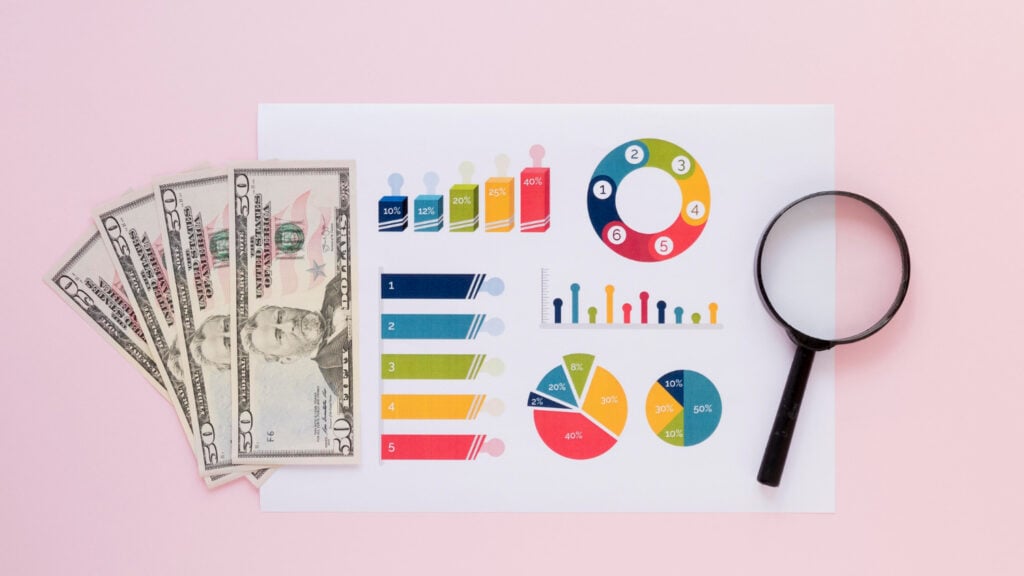
The relationship between consumer spending and economic growth is particularly important because businesses make investment and employment decisions based on expected demand. Companies generally expand operations when they believe customers will continue purchasing their products and services. However, if households become increasingly price-sensitive, businesses may reconsider expansion plans.
Retail businesses are among the first to experience changes in consumer behavior. Department stores, clothing retailers, electronics sellers, furniture companies, and online shopping platforms depend heavily on household purchasing power. When consumers prioritize necessities, sales of discretionary products can weaken. Retailers may respond with promotional discounts, lower inventory levels, and more cautious purchasing strategies.
Restaurants and hospitality businesses face similar challenges. Eating outside the home is often one of the easiest expenses for consumers to reduce. When grocery bills, rent, and utility costs increase, families may prepare more meals at home instead of visiting restaurants. Customers may also choose inexpensive menu items, reduce tipping amounts, or visit restaurants less frequently.
The travel and tourism industries can also experience pressure. Vacations, hotel bookings, airline tickets, cruises, and entertainment activities require discretionary income. Households facing financial uncertainty may choose shorter trips, less expensive destinations, or fewer holidays. Businesses operating in these industries may subsequently face weaker demand.
Automobile manufacturers and dealerships are exposed to another set of difficulties. Vehicles represent significant financial commitments, and consumers often depend on financing to purchase them. When borrowing costs remain elevated, monthly payments become more expensive. Buyers may delay replacing older vehicles, choose less expensive models, or purchase used cars instead.
Small businesses can be particularly vulnerable because they often have limited financial reserves. A neighborhood restaurant, clothing store, repair service, or independent retailer may struggle to manage rising operating expenses while customers reduce spending. Higher wages, rent, electricity bills, insurance premiums, and supplier costs can further reduce profitability.
Large corporations generally have more resources to manage difficult economic conditions. They may negotiate better supplier contracts, use technology to improve efficiency, diversify their operations, or access financing more easily. Nevertheless, even major companies cannot completely avoid the consequences of prolonged weakness in consumer demand.
Employment is another important part of this relationship. If companies experience declining sales for an extended period, they may reduce hiring, freeze wages, limit employee benefits, or eliminate positions. Such decisions can weaken household confidence and create another round of spending reductions.
This process can produce a negative economic cycle. Higher prices reduce purchasing power, weaker spending affects business revenues, slower business activity limits employment opportunities, and employment uncertainty encourages households to save more. Reduced spending can then place additional pressure on companies.
However, this outcome is not inevitable. The American economy has several sources of resilience, including a diversified business sector, technological innovation, strong financial institutions, and a large domestic consumer market. Productivity improvements and investment in emerging industries can help offset weaknesses in certain sectors.
The important issue is whether consumer demand remains sufficiently broad to support economic activity across different income groups and industries. Strong spending among higher-income households may support aggregate figures, but it does not necessarily indicate that ordinary families are experiencing improved financial conditions.
Federal Reserve Policy, Business Confidence, and the Economic Outlook
The Federal Reserve occupies a central position in the effort to balance inflation control with economic growth. Its monetary policy decisions influence borrowing costs throughout the financial system, affecting consumers, businesses, investors, and financial institutions.
When inflation remains persistent, the Federal Reserve may maintain restrictive interest rates to discourage excessive borrowing and spending. Higher interest rates make loans more expensive, potentially reducing demand for homes, vehicles, business equipment, and other major purchases. This can help moderate inflationary pressures by slowing economic activity.
However, monetary tightening also creates risks. If borrowing costs remain elevated for an extended period, businesses may postpone expansion projects, households may reduce credit-financed purchases, and companies that depend on external financing may experience financial difficulties.
Mortgage rates are particularly important for American households. Higher financing costs can make homeownership less affordable, even when property prices remain unchanged. Potential buyers may decide to postpone purchases, while existing homeowners with fixed-rate mortgages may remain reluctant to move because obtaining a new mortgage could be considerably more expensive.
Credit card interest rates can also influence consumer behavior. Households carrying outstanding balances may spend a larger portion of their monthly income on interest payments. This leaves less money available for shopping, entertainment, travel, and other purchases. Families that depend heavily on revolving credit may become especially vulnerable when financial conditions tighten.
Businesses also need affordable access to capital. Manufacturers may require financing to purchase equipment, retailers may need working capital to maintain inventory, and technology companies may seek funding for research and development. Higher interest expenses can reduce the attractiveness of investment projects and slow future production growth.
The Federal Reserve must therefore evaluate several indicators before adjusting monetary policy. These include inflation measurements, wage growth, employment conditions, household spending, business investment, and financial stability. Policymakers must also consider whether price increases are concentrated in particular sectors or reflect broader economic pressures.
Fiscal policy can influence the economic outlook as well. Government spending, tax policies, infrastructure investment, and public-sector programs affect household finances and business activity. Tax relief can provide additional disposable income, while targeted investment may support productivity and employment. However, fiscal decisions also involve questions about government borrowing, budget deficits, and long-term financial sustainability.
Business confidence is another important factor. Companies need predictable economic conditions to make long-term decisions. Uncertainty about inflation, interest rates, international trade policies, taxes, and global demand can encourage businesses to delay investment.
International developments may add further complications. The United States remains closely connected to global supply chains and international financial markets. Disruptions affecting energy production, shipping routes, manufacturing centers, or major trading partners can influence domestic prices. Trade tensions and geopolitical conflicts may also increase costs for companies that depend on imported materials and components.
Technological innovation offers a possible source of economic strength. Artificial intelligence, automation, advanced manufacturing, semiconductor production, and improvements in energy infrastructure could increase productivity over time. Higher productivity allows businesses to produce more output with available resources, potentially supporting stronger economic growth without generating equivalent increases in production costs.
Nevertheless, the benefits of technological investment may take time to reach households. Businesses must successfully implement new systems, improve worker productivity, and translate efficiency gains into higher wages, lower prices, or additional employment opportunities.
The broader outlook will depend on how these different forces interact. If inflation gradually moderates while employment and real household incomes remain stable, consumer spending could continue supporting economic expansion. If essential expenses remain high and borrowing costs restrict financial flexibility, however, economic activity could lose momentum.
A major concern is that economic weakness may not appear equally across every industry. Certain sectors could continue expanding because of strong investment and technological demand, while consumer-oriented businesses experience weaker sales. This uneven performance makes it important to examine a broad range of indicators rather than relying on a single measure of economic growth.
Conclusion
The United States economy faces a challenging period as elevated living expenses influence consumer behavior and create uncertainty about the strength of future economic growth. Although the country benefits from a large domestic market, diversified industries, technological capabilities, and established financial institutions, household purchasing power remains a critical factor in determining economic performance.
Rising prices affect more than monthly budgets. They influence consumer confidence, business revenues, investment decisions, employment plans, and the overall direction of economic activity. When families spend more of their income on essential goods and services, they have fewer resources available for discretionary purchases. This can gradually weaken demand across industries that depend on consistent consumer spending.
The pressure is particularly significant for middle-income and lower-income households. Families dealing with expensive housing, groceries, transportation, healthcare, and insurance may find it difficult to increase savings or manage unexpected financial emergencies. Even when wages rise, improvements in living standards depend on whether earnings increase faster than the cost of essential expenses.
Businesses must also adapt to changing market conditions. Retailers, restaurants, travel companies, automobile dealers, and small enterprises may need to reconsider pricing strategies, inventory management, investment plans, and operating expenses. Companies that can improve productivity and maintain customer loyalty may be better positioned to withstand periods of weaker demand.
The Federal Reserve faces an equally complicated responsibility. Controlling inflation is necessary to protect the value of household incomes, but maintaining restrictive monetary conditions for too long could create additional pressure on borrowing, investment, and employment. Finding an appropriate balance between price stability and sustainable economic expansion will remain essential.
Looking ahead, the strength of the American economy will depend on several interconnected developments. Inflation must become more manageable, real wages need to support household purchasing power, employment opportunities must remain available, and businesses need sufficient confidence to continue investing. Greater productivity and technological progress could provide additional support, but their benefits must eventually translate into broader economic opportunities.
Ultimately, economic growth is not simply about increasing production or improving headline indicators. It also depends on whether households can afford essential goods, maintain financial security, and participate confidently in the economy. If rising prices continue to outpace improvements in household finances, consumer spending could become a significant obstacle to expansion. However, if inflation eases and income growth strengthens, American consumers may regain financial flexibility and provide the demand necessary to sustain economic momentum.